
12 Best Printify Alternatives for Print-on-demand Sellers
12 Best Printify Alternatives for Print-on-demand Sellers
Discover the 12 best Printify alternatives. Compare top print-on-demand sites like Printful & Gelato for better margins and faster global shipping.

I still remember the first time I realized I was done with Printify. It was last year, and I had just launched a new line of hoodies. The designs were unmatched, and the ads were performing better than I’d ever seen. Suddenly, the emails started rolling in.
"My print is peeling off," one customer wrote. Another sent a photo of a design that was completely off-center. I felt embarrassed. I had no control. Printify was routing my orders to random print shops I’d never heard of, and my brand’s reputation was taking the hit.
That was my wake-up call.
If you are like me, who is tired of the inconsistent quality or just wants more control over your business, you are in the right place.
I’ve spent a good deal of time testing, ordering samples, and tearing my hair out so you don’t have to. Here is my deep dive into the 12 best Printify alternatives that are actually worth your time.
Key Highlights of the Print-on-Demand Industry
Printify offers a large product catalogue, but you can’t trust the quality because orders are handled by different print providers.
Major Printify alternatives like Printful, Gelato, and SPOD offer greater control over order fulfillment, shipping speed, and product branding.
The best POD platforms have three things in common, consistent product quality, healthy margins, and fast fulfillment.
Marketplaces like Amazon Merch and Redbubble work well for passive income, but they don’t offer much control over product branding or customer data.
An effective product mockup can dramatically improve conversions, because customers want to see realistic visuals before they buy.
Why Look for Printify Alternatives?
You might be wondering if moving away from such a large Print-on-demand platform is the right move. Printify is huge for a reason, right?
Printify offers a large product catalogue, which is why most people like it, but it also has a network of 80+ independent print providers who directly handle product quality.
If you choose a substandard print provider, you can’t guarantee the results.
Inconsistent Product Quality
Because Printify routes your orders to different factories, the print quality can vary drastically. You might see the same t-shirt come from two different facilities with completely different color saturation. One looks great, while the other looks washed out.
This variation often leads to higher refund rates, which kills your profit margins and damages the trust people have in you.
Variable Shipping Times
Shipping is another reason why you need a Printify alternative. Since every print provider operates independently, there is no standard delivery time. One customer might get their order in three days, while another has been waiting for two weeks.
This makes it nearly impossible to promise a delivery date on your Print-on-demand store.
Lack of Control
Printify doesn’t own the printing machines. They are the middleman connecting you to the guys who do.
So, when something goes wrong, you have to go through Printify support, which then connects you to the printer. This chain of communication and the lack of control significantly slow down the solution process.
What I Looked for in these Printify Alternatives
Before we jump into the list, let me explain my criteria. I’m extremely picky, and you should be too.
Product Quality and Sample Verification
Never trust the digital mockup alone. You have to order physical samples to see the actual truth.
I looked for Print-on-demand platforms that offer durable DTG prints that don’t crack after one wash. I checked the embroidery stitching to make sure it isn’t loose or messy.
Base Costs and True Margins
Don’t just look at the price of the t-shirt. You need to calculate the base cost plus shipping taxes, then add in your payment processing fees and platform costs.
If you can’t hit a 35% gross profit margin, it’s probably not worth it. I also looked for Print-on-demand platforms with decent subscription tiers that knock a few dollars off per unit.
Fulfillment Speed
The new Print-on-demand standard is 2 to 7 days for production and 24-48 hours for shipping. Anything longer, and you will see your customers never coming back. I looked for Print-on-demand platforms with fast fulfillment speed.
I also check if these Printful alternatives have multiple international warehouses. This helps avoid cross-border delays when selling internationally.
Branding Capabilities
This is very important. You want your customers to remember your brand, not the manufacturer.
I specifically targeted Print-on-demand platforms that offer services like custom neck labels and branded packaging inserts. It makes the unboxing experience feel premium.
Top 12 Printify Alternatives: Comparison Table
Here is a quick snapshot to help you decide.
| POD platform | Best use case | Pricing structure | Fulfillment speed | Global network | Products covered |
|---|---|---|---|---|---|
| Printful | Premium DTC brands that need consistent quality and strong branding | Free plan available, Printful growth plan starts at $24.99/month | Fast due to regional in-house centers | North America, Europe, Australia, Japan | 300+ customizable products (apparel, accessories, home decor, etc) |
| Gelato | Sellers who need local production and faster international shipping | Free plan available, Gelato+Monthly starts at $23.99/month | Generally fast due to orders routing to the nearest provider | 130+ production partners across 32+ countries | Apparel, wall art, mugs, stationery, etc |
| SPOD (Spreadshop) | trend-driven stores (viral / limited-time designs) | Set your own retail prices and profit margins. | 95% of orders ship within 48 hours | Fulfillment hubs in the US (Greensburg) and the EU (Leipzig) | Approx 200 products (apparel, drinkware, accessories, homeware) |
| Apliiq | Fashion-forward and streetwear brands | You only pay when you get an order | 2-5 days standard; 7–10 days with branded labels | In-house production in Los Angeles and Philadelphia | Apparel with deep branding options like woven labels, patches, neck prints |
| CustomCat | High-volume US sellers looking for low base costs | Free plan available, Customcat Pro starts from $30/month | US orders ship in 2–3 business days | US-focused fulfillment (slower international shipping) | 200+ items (apparel, home goods, unique accessories) |
| Zazzle | highly personalizedproducts (weddings, gifts) | Royalty-based pricing model | Varies by product and partner. | Ships to 100+ countries via Zazzle’s network | 3,200+ products (apparel, party supplies, stationery, gifts, niche-specific items) |
| Gooten | Brands that need automated routing & multi-store scaling | You only pay when a customer places an order | Competitive, often under industry averages | 70+ production locations globally | Wide catalog across apparel, home goods, accessories, etc |
| Redbubble | Artists and designers seeking marketplace exposure | Pricing is based on a base price set by Redbubble for each product. | Varies by product and partner | Global distribution via Redbubble’s network | Broad catalog (apparel, home decor, stationery, accessories) |
| Teespring (Spring) | Content creators looking to sell their merch online | Pricing is based on a base price set by Spring for each product. | Fulfillment speed varies by region | Marketplace & platform integrations (YouTube, Instagram) | Approx 50 core products (tees, hoodies, mugs, phone cases, merch basics) |
| Amazon Merch on Demand | Passive income via Amazon’s massive audience | only pay when a product sells. | Prime-eligible items ship in 1-2 days | global reach via Amazon | Limited range (focused on apparel & basic accessories) |
| Teelaunch | Shopify sellers looking to sell niche-specific products | only pay when a customer places an order | Depends on the fulfillment partner | Fulfillment partners in US, UK, Canada, Australia | 300+ products, including unique items (laser-etched goods, electronics, homeware) |
| AOP+ | Brands focused on all-over-print and sustainable fabric | Free to use, small transaction fee per sale. | Fast for UK/EU (in-house London production) | In-house facility in London | 120+ products (AOP apparel, cut-and-sew, leggings, canvas, pet products) |
12 Best Printify Alternatives for POD sellers: Detailed Comparison
1. Printful
If I had to pick one reliable option for building a serious brand, it would be Printful. This Print-on-demand platform is the industry standard for a reason. Unlike Printify, they own their entire production chain. That means the people printing your t-shirts actually work for Printful. This gives them total control over quality, and I’ve found their consistency to be among the best in the game.
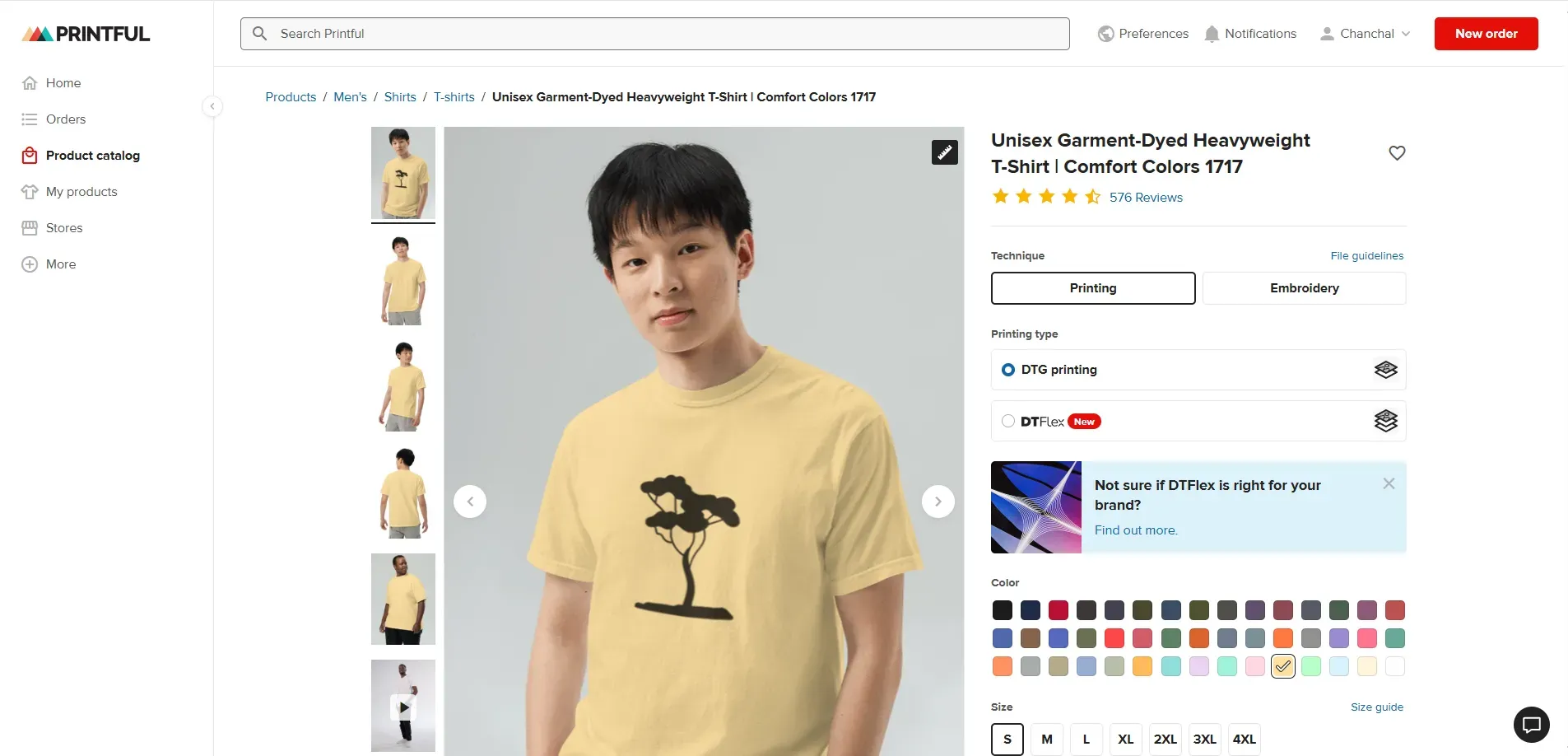
Key Features
Massive Catalog: Access over 300 customizable products from trusted brands like Bella + Canvas, Gildan, and Champion.
Global Fulfillment: This Printify alternative has in-house centers in North America, Europe, Australia, and Japan for reliable global reach.
Branding Power: You can add custom neck labels, branded packaging, personal stickers, and even packing slips to own the unboxing experience.
Mockup Generator: Their design tool is top-tier, offering over 2,550 mockups to help you visualize the final product.
No Monthly Fees: You can start anytime with the free plan and only pay when an order comes in.
Pros
The DTG prints are vibrant, and the embroidery is consistently clean and professional.
The extensive custom branding options make your small business look like a major retailer.
It integrates with almost every ecommerce platform you can think of without glitching.
Domestic shipping is usually fast and reliable because they have centers worldwide.
Cons
The base prices are higher than most competitors, which can hurt your profit margins.
They have around 400 items, which is a lot but less than Printify’s massive catalog.
There is no phone support, so you are stuck with email or chat if things go wrong.
Pricing: Free plan available, or upgrade to the Growth plan for $24.99/month (free once you start selling over $12k/year).
2. Gelato
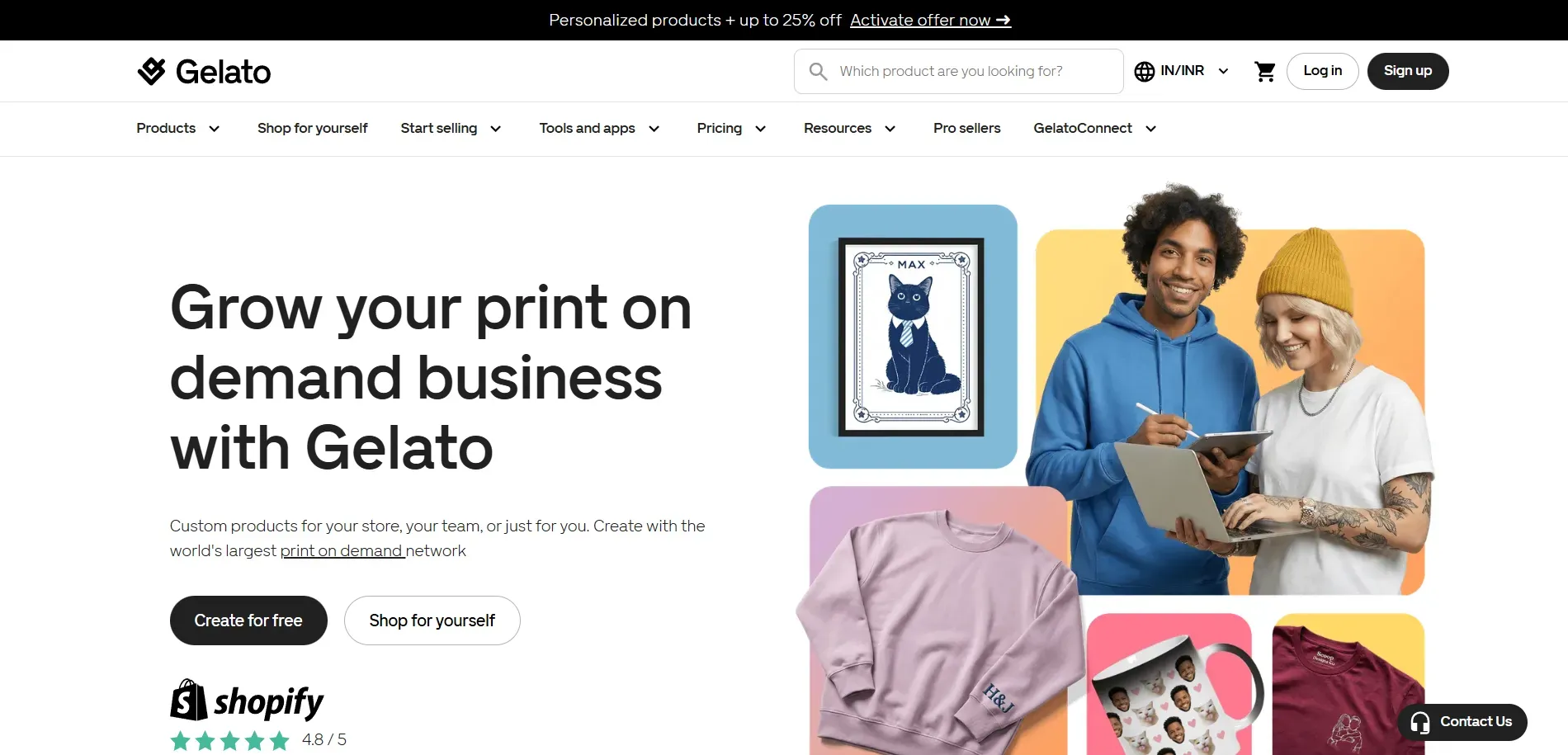
If your goal is to sell internationally, you need to look at Gelato. This Print-on-demand platform has figured out logistics better than almost anyone else.
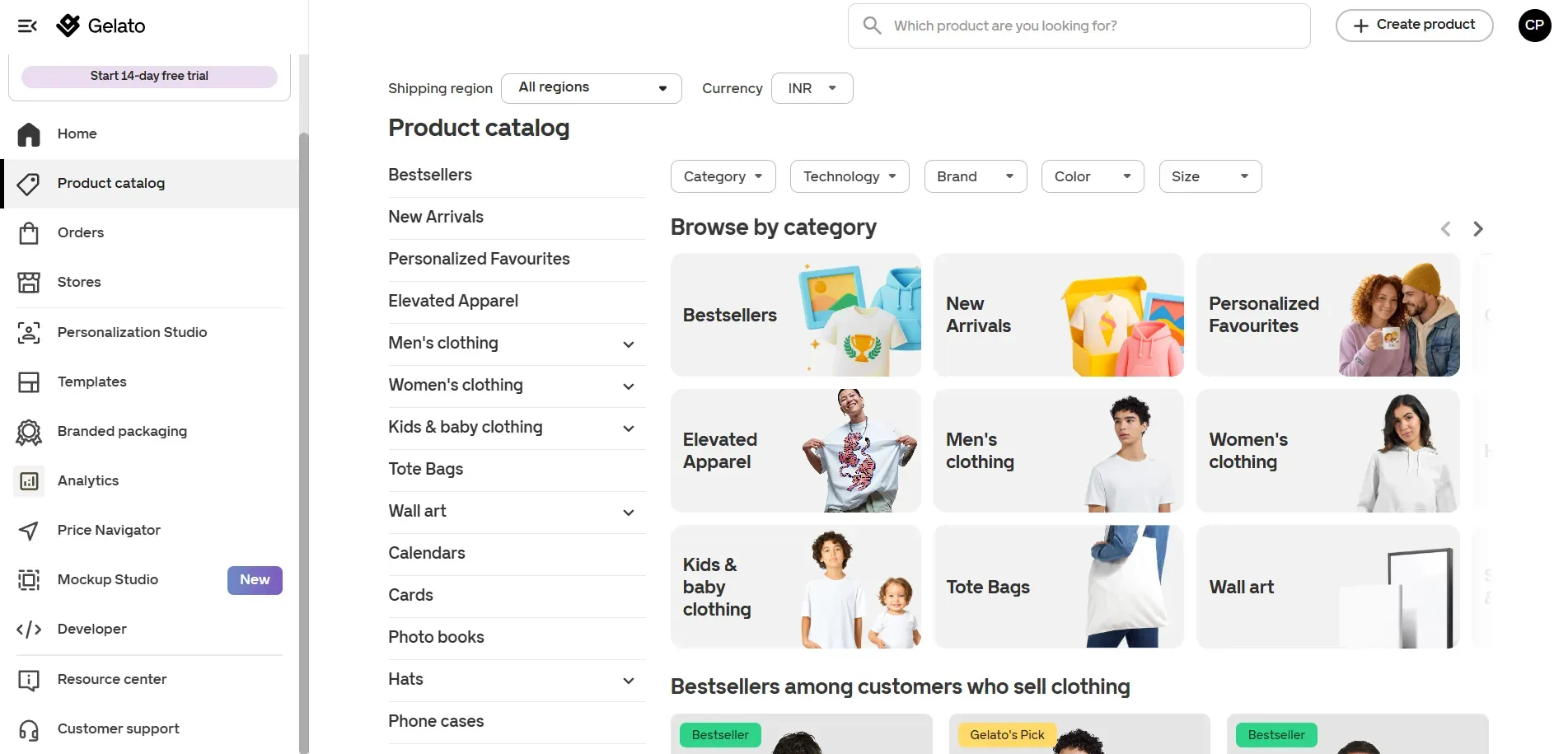
Instead of owning factories, Gelato connects you to over 130 production partners in 32 countries. It routes your order to the facility closest to your customer. This dramatically reduces shipping times and avoids customs issues.
Key Features
Global Network: This Printify alternative connects you to over 130 production partners across 32 countries for true local production.
Smart Routing: The system automatically sends your order to the nearest facility to speed up delivery and cut costs.
Diverse Catalog: This Print-on-demand platform covers the basics like apparel but also shines with wall art, mugs, and high-quality stationery.
User Tools: You get a solid design editor and personalization options that let customers add their own text or images.
Eco-Friendly: They focus heavily on sustainability with local production, reducing carbon emissions.
Pros
Shipping to the EU and the US is incredibly fast because the product doesn’t have to travel far.
There are no upfront costs, so you aren’t paying for inventory or any other costs.
Their quality of wall art, posters, and cards is some of the best in the industry.
They offer 24/7 support and actually reply pretty quickly when you have an issue.
It is the best Print-on-demand platform for sellers who want to reach customers worldwide.
Cons
Outsourcing can sometimes lead to quality fluctuations depending on the specific region.
The pricing structure can be a bit tricky to understand, depending on where the item is printed.
You won’t find embroidery or sublimation options here, which is a downside for apparel brands.
If you want premium stock images for your designs, you will have to pay extra.
Pricing: Free plan available, or get Gelato+ for $23.99/month to unlock discounts.
3. SPOD (Spreadshop)
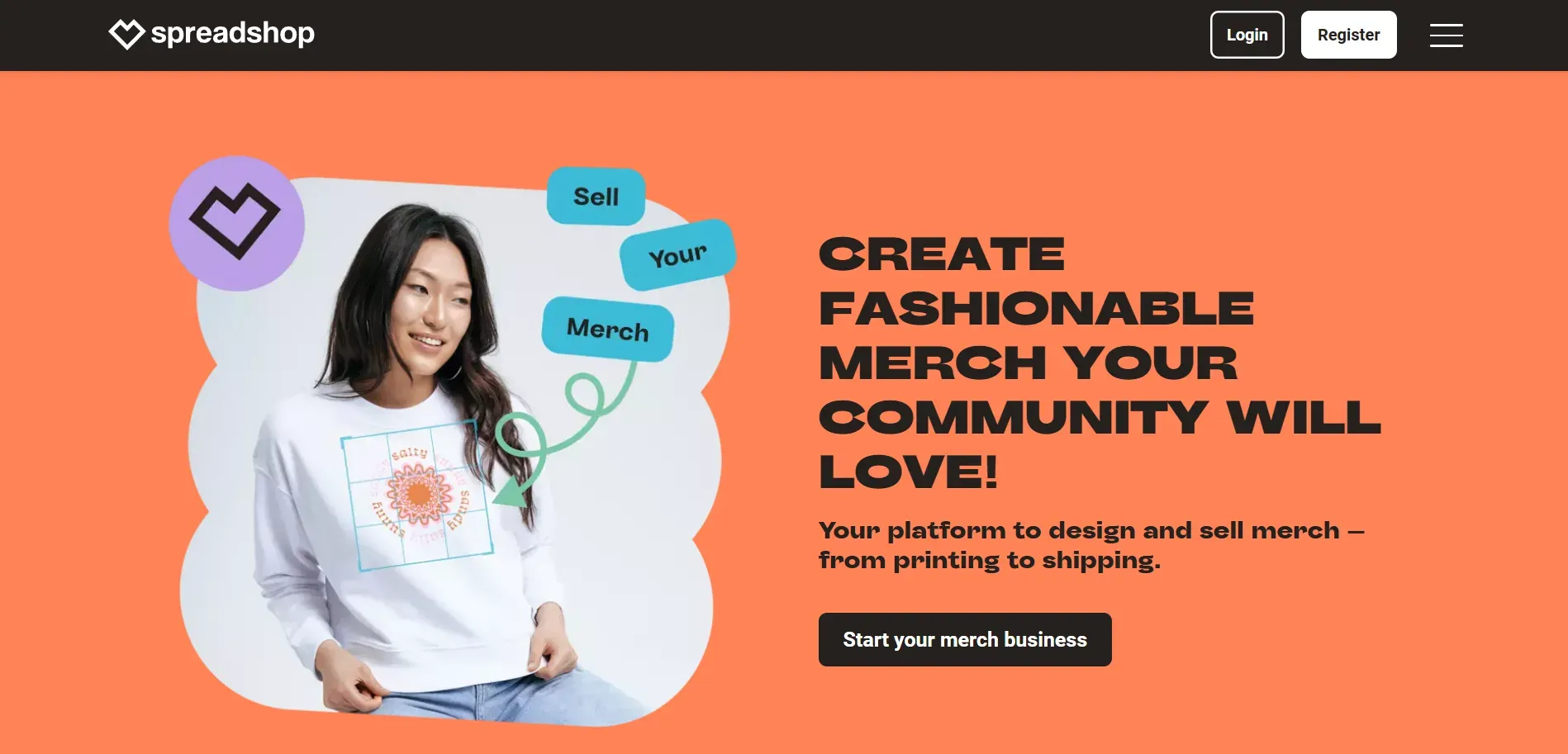
I use SPOD when I need fast results. This print-on-demand platform is powered by Spreadshirt, which has been in the game for ages.
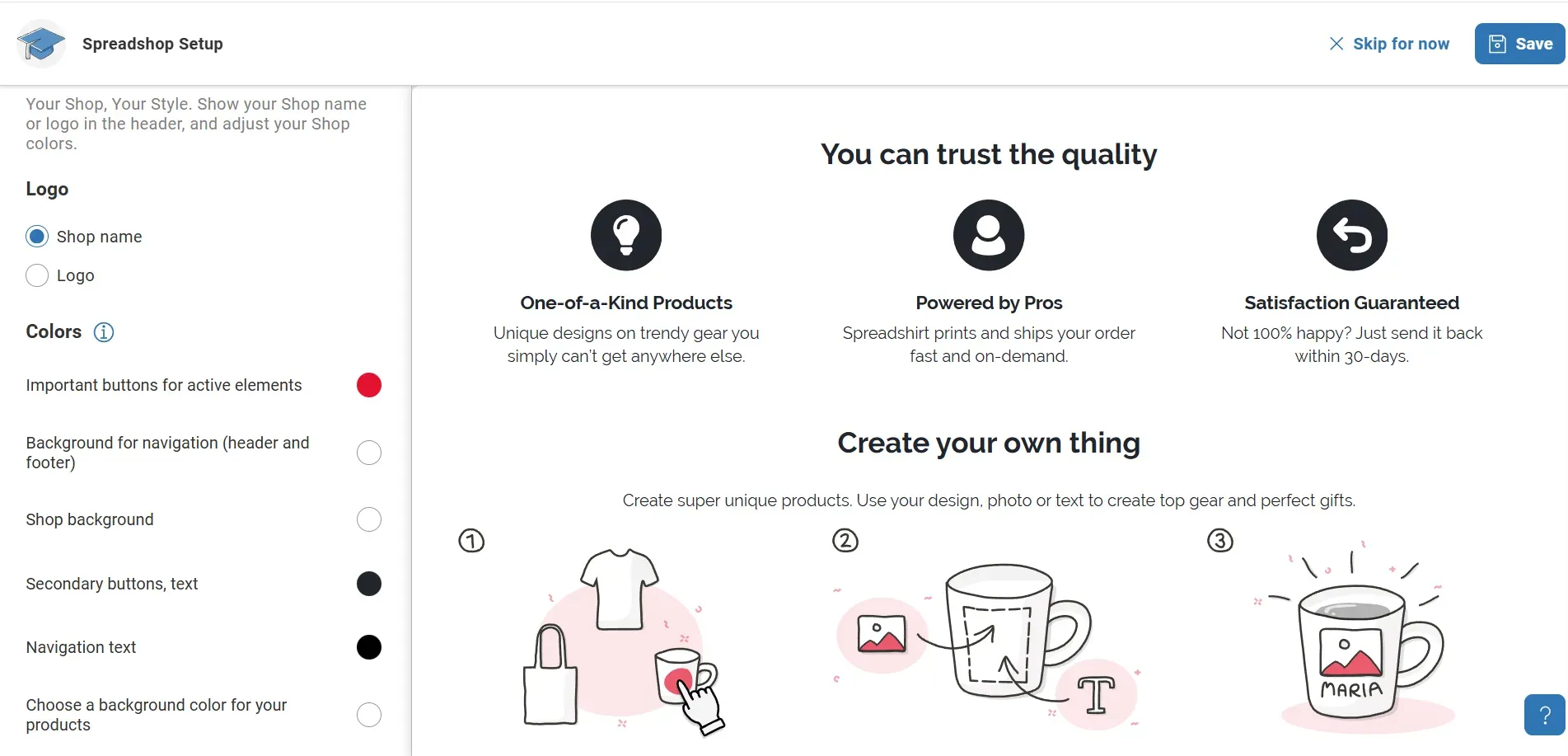
Their claim to fame is that 95% of orders ship within 48 hours. That is incredibly fast in the Print-on-demand world. If you are jumping on a viral trend, like a meme that will be dead in a week, SPOD is your best bet.
Key Features
Rapid Fire: They ship 95% of orders within 48 hours from their centers in the US and Germany.
Cheap Blanks: Their base prices are very competitive and often beat Printful's and Printify's on standard tees.
Easy Setup: The integration with Shopify and WooCommerce is smooth and takes just a few clicks.
Customization Tool: This Printify alternative lets your customers personalize designs directly on your storefront.
Clear Shipping: This Print-on-demand platform shows real-time shipping rates and tracking, so your customers aren’t left guessing.
Pros
Completely free to use, with no monthly subscription fees eating into your profits.
Fast fulfillment makes it perfect for catching viral trends before they fade.
Lower base costs mean you keep more money in your pocket on every sale.
They offer organic cotton and recycled polyester for the eco-conscious crowd.
Cons
You can’t add custom pack-ins or fancy boxes, so the unboxing experience is generic, nothing special.
If you sell on Etsy or Amazon, you will need third-party tools to connect to the store.
The design tool feels a bit clunky and dated compared to modern competitors.
The product selection is decent but lacks the niche variety you might find elsewhere.
Pricing: You set your own retail prices and keep the margin, with discounts for high-volume sales.
4. Apliiq
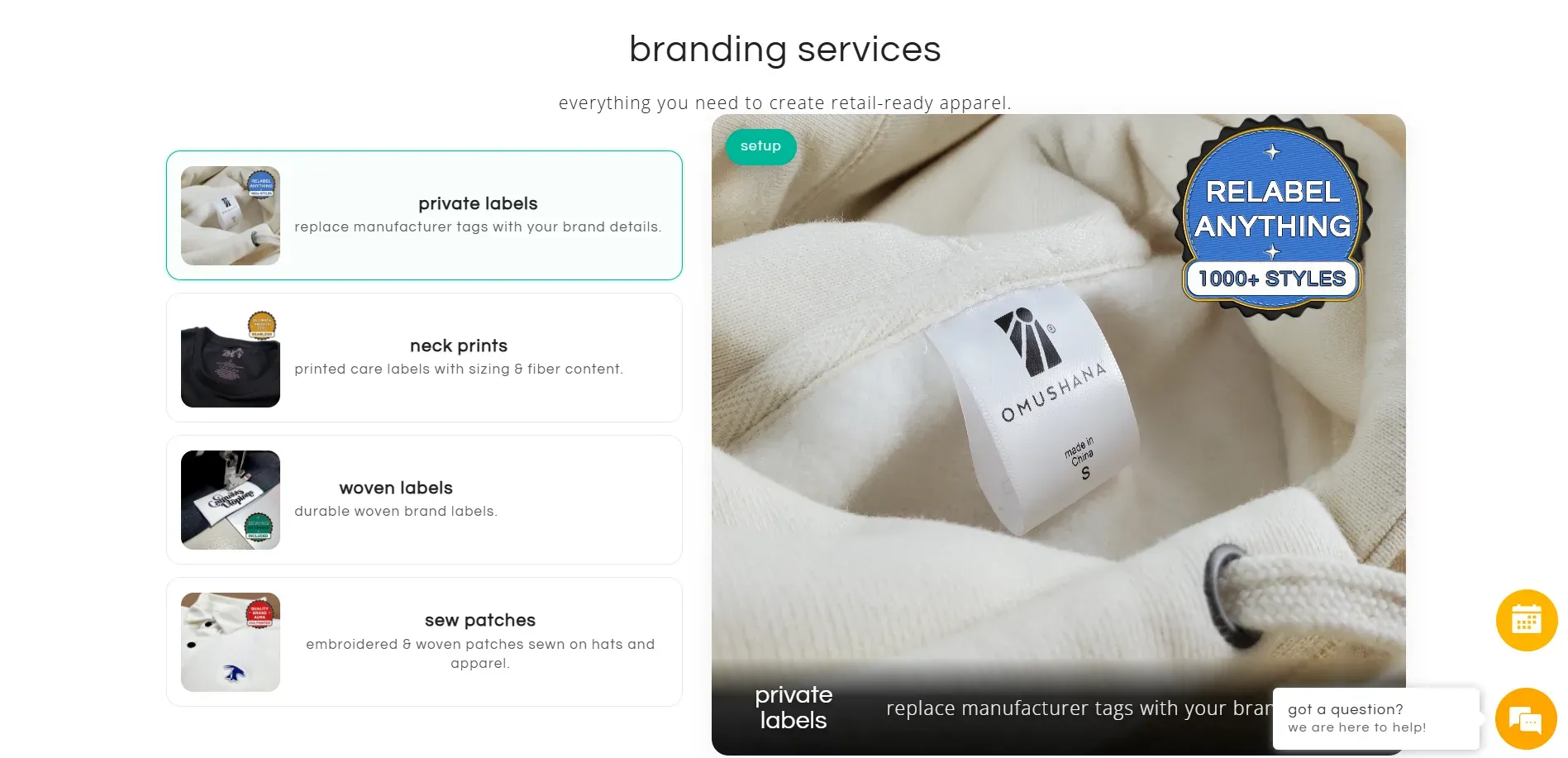
Apliiq is where to look for if you are into Streatwear. This Print-on-demand platform doesn’t just print but also customizes.
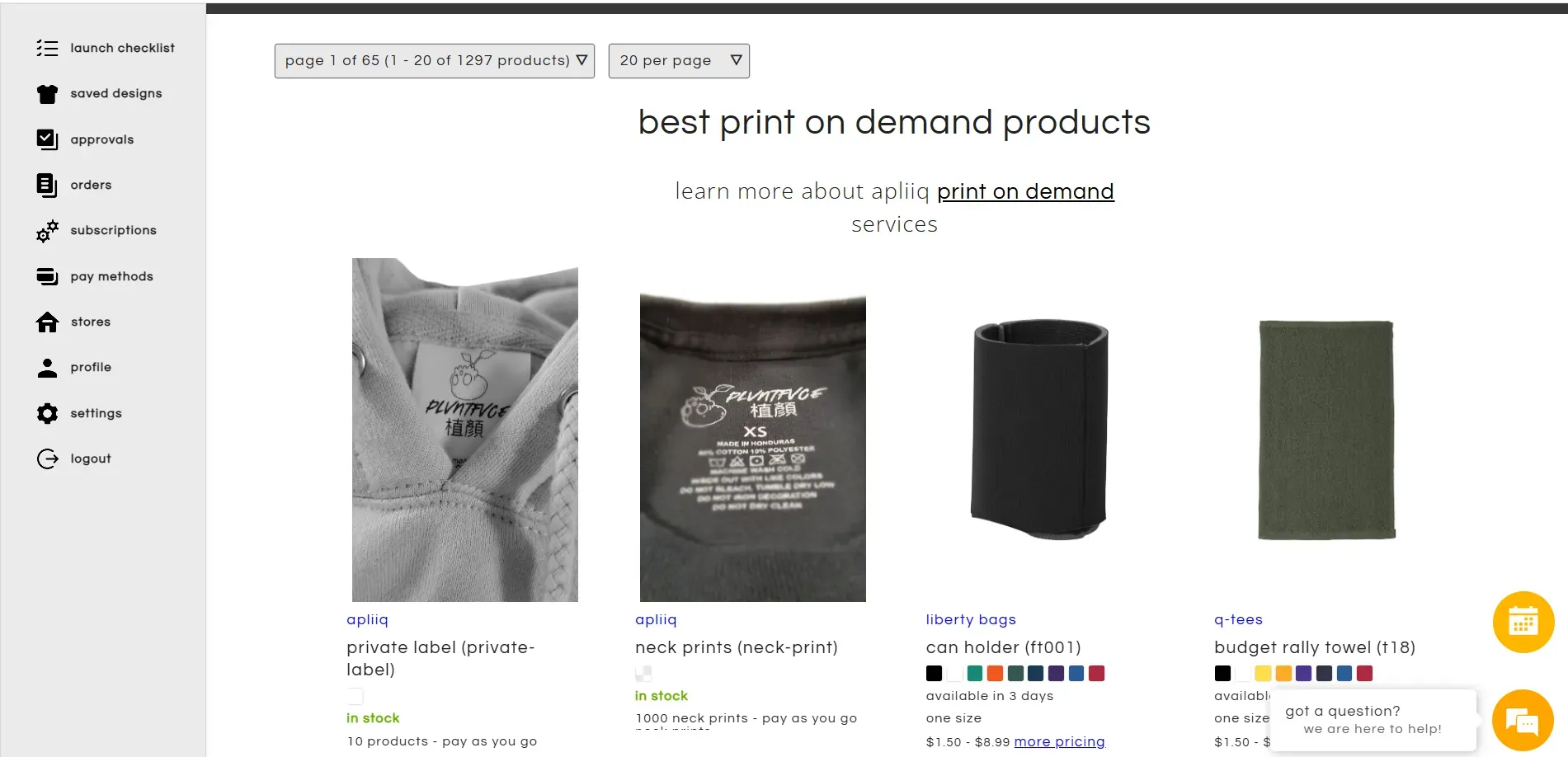
Based in LA and Philadelphia, they understand the fashion vibe better than tech-focused platforms do. They offer custom services like woven labels and patches that you can sew onto hoodies. It makes a basic hoodie look like a boutique item.
Key Features
Deep Customization: They offer woven labels, embroidered patches, and neck prints even on single orders.
Domestic Production: All manufacturing happens in-house in Los Angeles and Philadelphia for quality control.
Platform Sync: This Printify alternative integrates directly with Shopify, WooCommerce, and Etsy for automated fulfillment.
Brand Experts: You can schedule a call with their team to discuss your branding strategy.
Sustainable Vibes: This Print-on-demand platform prioritizes eco-friendly materials and production methods.
Pros
The branding tools allow you to create products that look like they belong in a high-end store.
You pay per order, so there is no financial pressure if you have a slow month.
Once your labels are approved, they are automatically applied to future orders.
This is the best choice if you are trying to build a brand with loyal repeat customers.
Cons
Production is slower here, taking 7 to 10 days if you are adding custom labels or patches.
It doesn’t integrate with marketplaces like Amazon or eBay, which limits your sales channels.
With only two US facilities, international shipping can be slow and expensive.
A fully branded item will cost you significantly more per unit, which raises your break-even point.
Pricing: Pay per unit, covering the garment, customization, and shipping costs.
5. CustomCat
CustomCat is a workhorse in the US market. They aren’t the flashiest, but they are efficient. This Print-on-demand platform uses a technology called DIGISOFT, a hybrid of DTG and DTF.
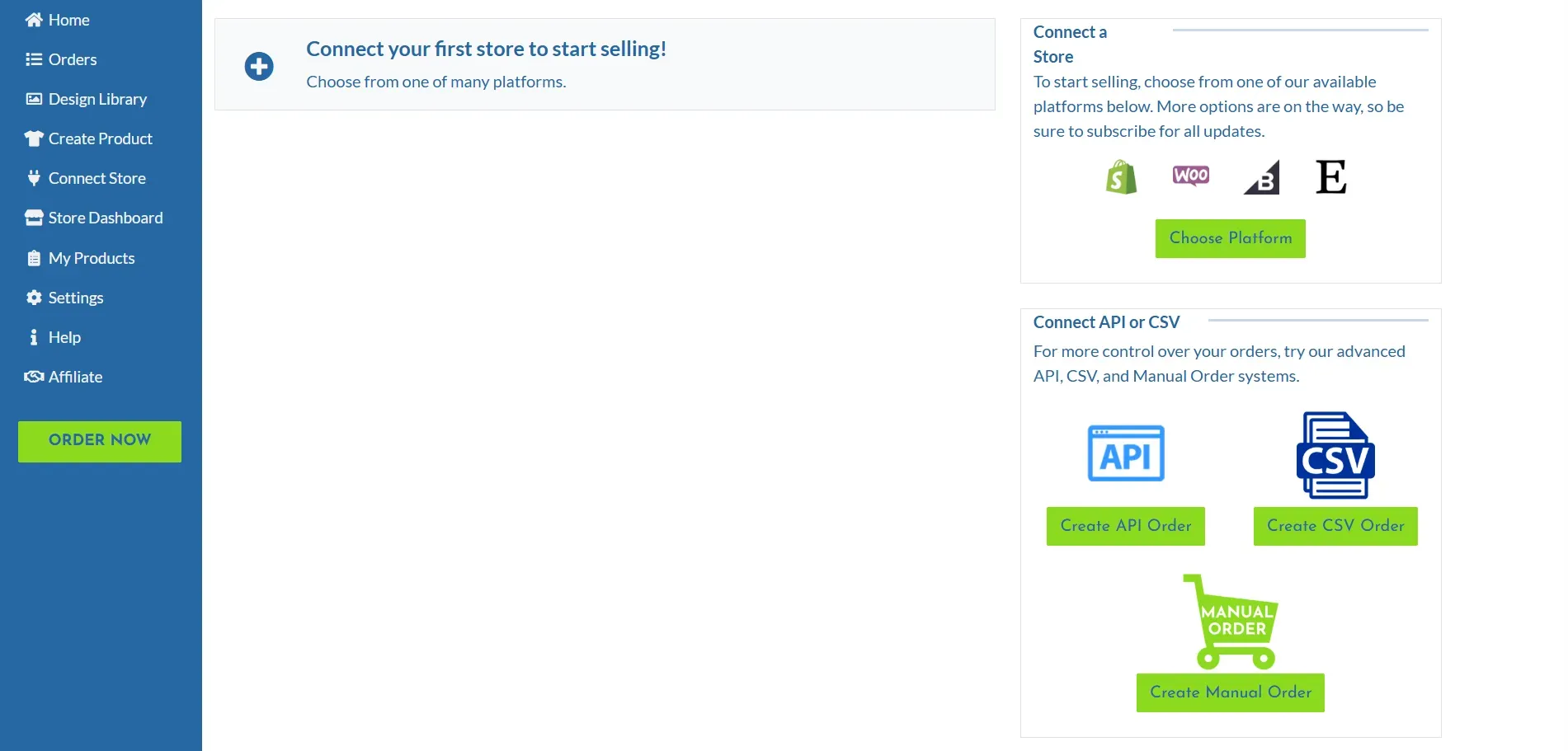
The prints are incredibly durable and vibrant. If you are selling high volume in the US, their prices and speed are hard to beat.
Key Features
High speed: They produce and ship most US orders in 3 business days or less.
Next Gen Print: Their DIGISOFT technology delivers high-resolution, durable prints at 1200 dpi.
Decent Variety: Choose from over 200 items, including apparel, home goods, and unique accessories.
Broad Support: This Printify alternative connects with Shopify, Etsy, WooCommerce, and BigCommerce easily.
Dev Friendly: This Print-on-demand platform offers API access and CSV uploads for those who want custom workflows.
Pros
It is one of the quickest options for US-based customers.
The base prices are low, and the Pro plan offers wholesale rates that significantly boost margins.
You can actually call them on the phone, which is a rarity in this industry.
They offer free replacements for defective products, so you aren’t out of pocket for errors.
You can start selling immediately without investing a dollar upfront.
Cons
They have fewer products than Printify, so you might miss some niche items.
International shipping can take weeks, making it less ideal for global sellers.
The design interface lacks AI features and fancy lifestyle mockups.
The backend looks a bit outdated, though it functions just fine.
Pricing: CustomCat Lite is free, or upgrade to CustomCat Pro for $30/month to get lower product costs.
6. Zazzle
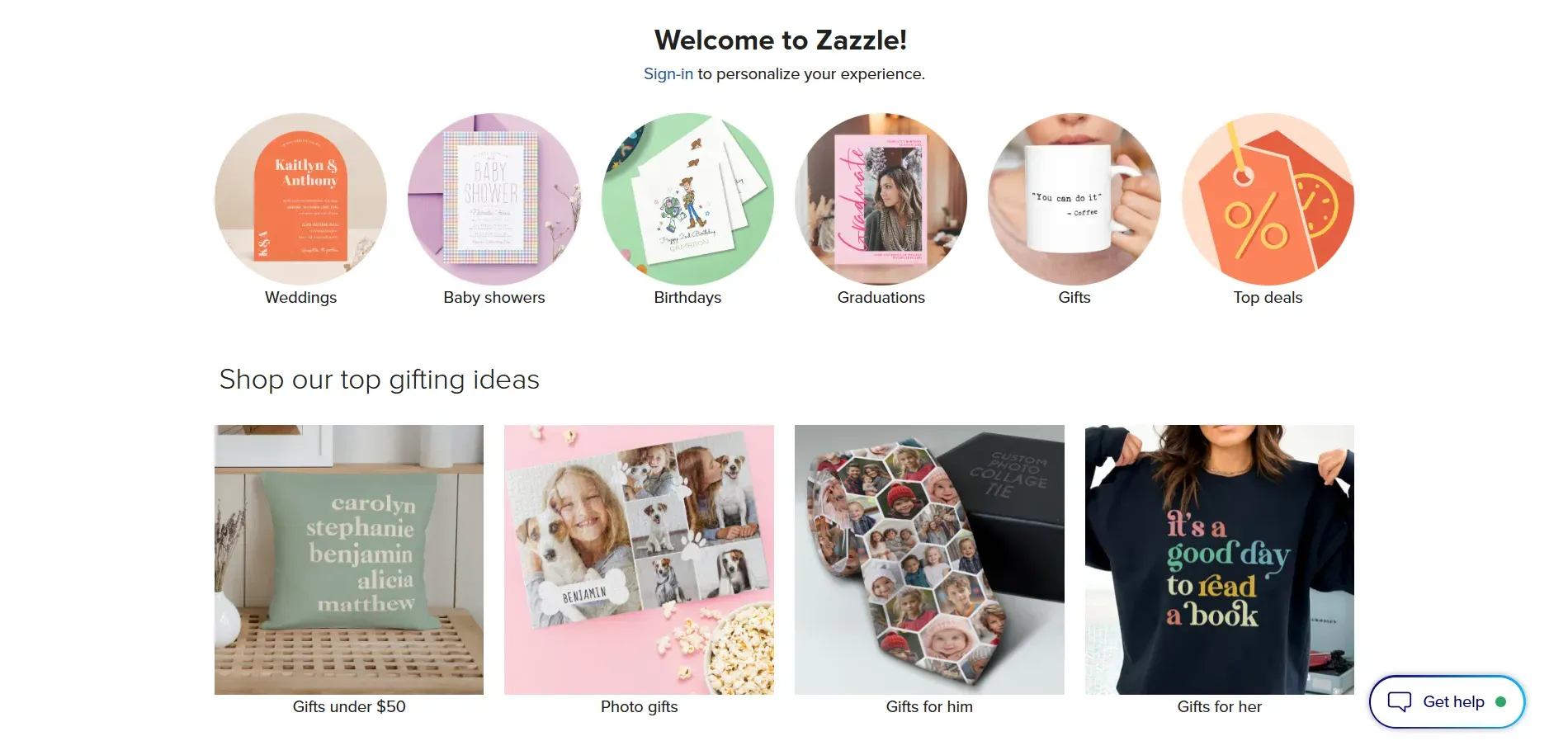
Zazzle is a different Print-on-demand platform altogether because it isn't for building your own Shopify store. It is a marketplace where you upload your designs, and they handle the rest.
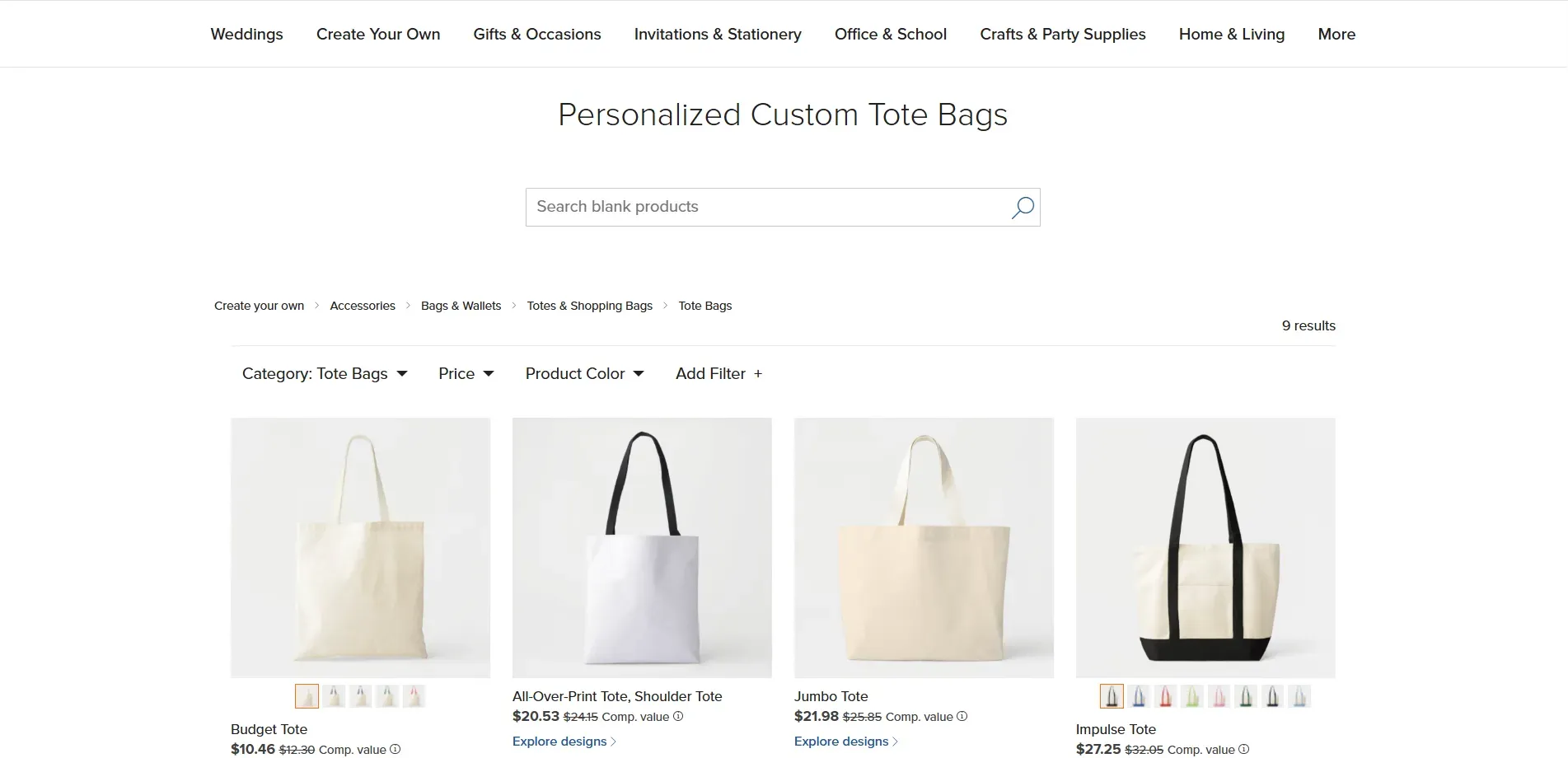
What I love about Zazzle is the customization. Customers can tweak the text or images on your design before buying. It is perfect for niches like weddings or birthday parties, where personalization is highly valued.
Key Features
Massive Selection: They have over 3,200 products ranging from skateboards to party supplies.
Interactive Design: The editor allows customers to personalize the text and images on your products.
Event-Focused: It is the go-to Print-on-demand platform for personalized gifts and event-related items.
Zero Startup: This Printify alternative is completely free to join with no need for a credit card.
Royalty Model: You set your royalty percentage, and they handle the transaction and fulfillment.
Pros
You don’t have to build a website or deal with customer service at all.
It is especially effective for selling sentimental or event-specific items that require personalization.
You can sell products like customized keychains and photo frames that other Print-on-demand platforms don’t offer.
You can create design templates that customers can easily edit, which boosts sales.
You get access to their existing customer base without spending money on ads.
Cons
It is hard to get noticed among millions of other designs without doing your own marketing.
You don’t get the customer’s email or data, so you can’t build a long-term relationship.
They charge a $2 fee if you don’t post new content or sell anything for a month.
They take a chunk of the sale, and you are just earning a royalty on top.
Pricing: You earn a royalty markup on the base price set by Zazzle.
7. Gooten
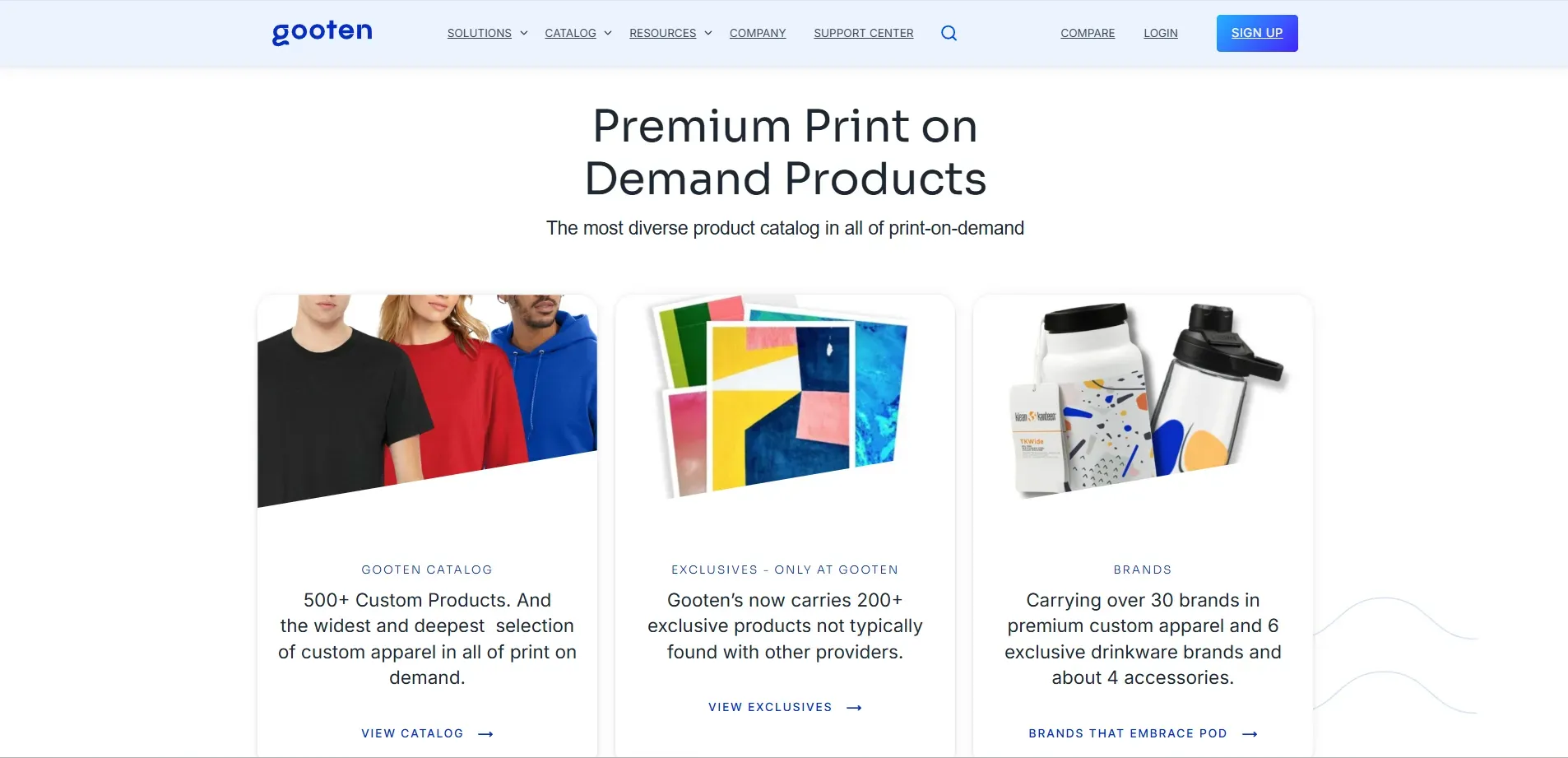
Gooten is a Print-on-demand built for the pros. If you are managing multiple stores or doing high volume, then this Printify alternative is for you.
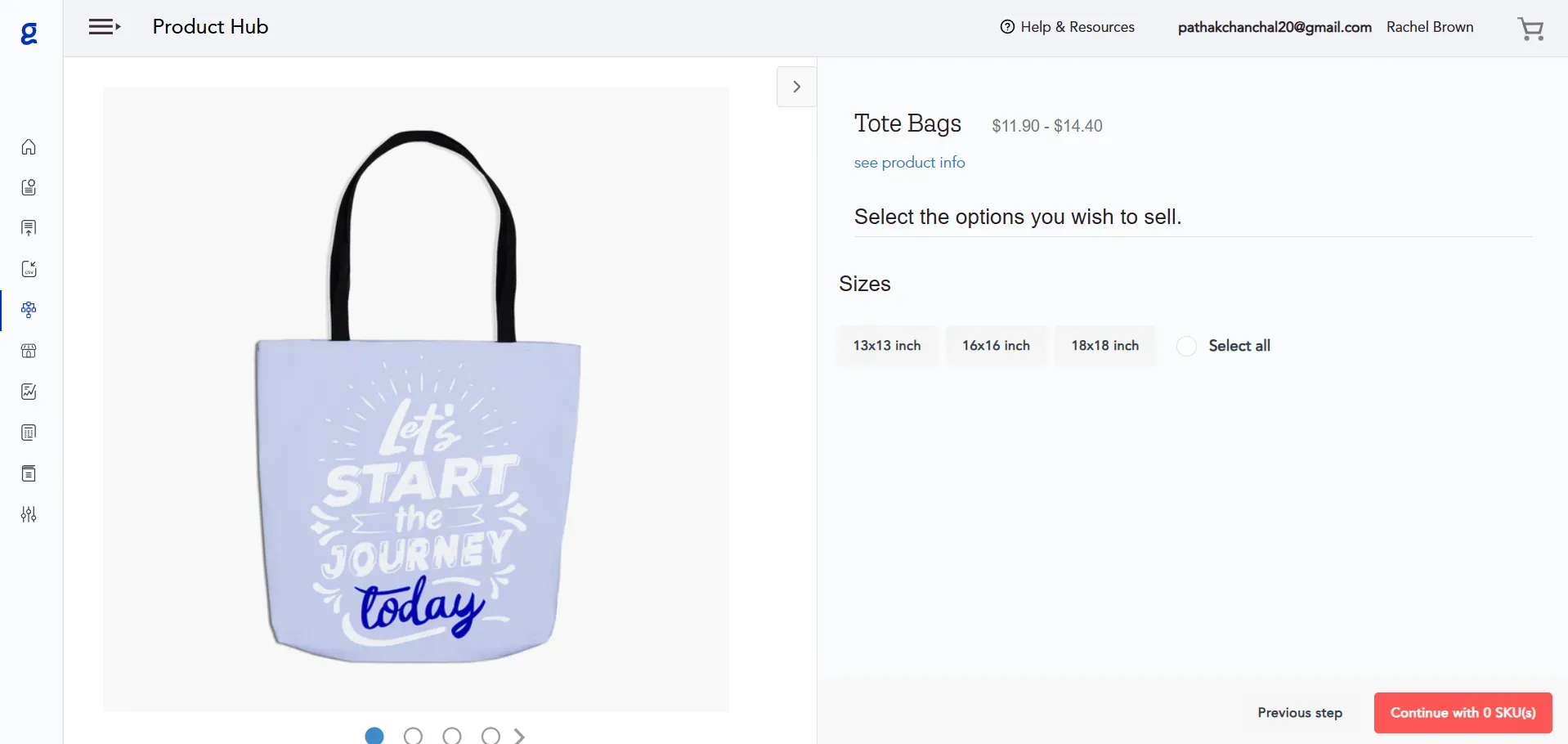
Their system automatically routes your orders to the best manufacturer for the job based on capacity and location. It feels more like a supply chain partner than just a printing service.
Key Features
Global network: They route your orders to the most efficient manufacturer across 70+ locations worldwide.
Fee Free: There are no monthly subscription fees or setup costs.
Smart Tech: Their order management system handles batch creation and auto-routing for efficiency.
Business Focus: This Print-on-demand platform is designed for agencies and brands managing large-scale operations.
White Label: Packages arrive with custom packing slips and no third-party branding.
Pros
Competitive pricing and volume discounts help you keep more money.
It can handle thousands of orders easily, thanks to robust automation.
They boast 99% fulfillment accuracy, which is an incredible number.
If one printer goes down, they reroute the order to another printer, avoiding delays.
You can upload products in bulk via CSV, saving hours of manual work.
Cons
The interface isn’t very intuitive and can be confusing for beginners.
You will need to use a separate tool for mockups because they don’t have a built-in mockup generator.
You can’t add branded boxes or fancy inserts in the packaging.
I’ve found their response times to be a bit sluggish compared to others.
Pricing: Free to use, you just pay for the product and shipping per order.
8. Redbubble
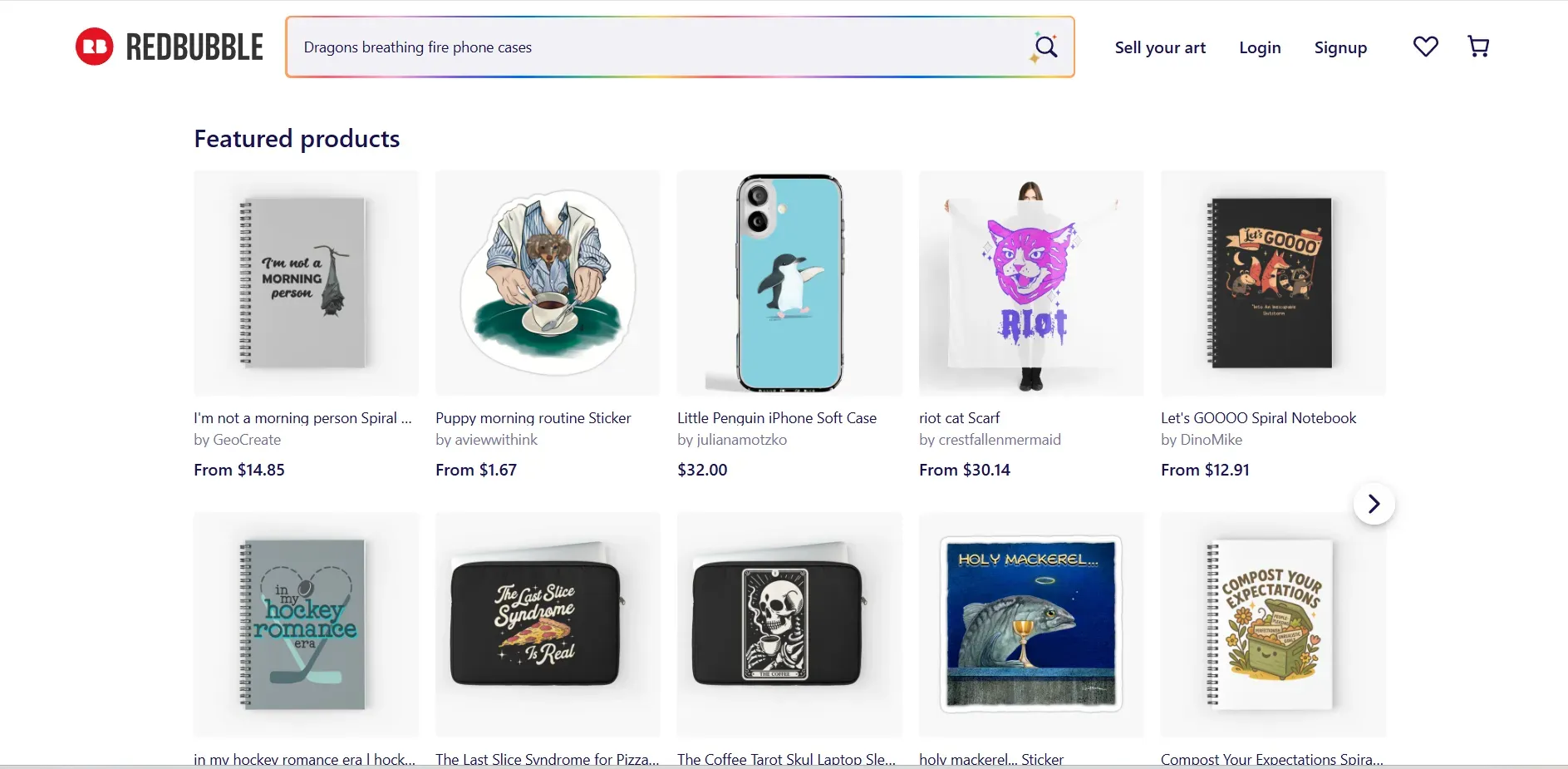
Redbubble is where many artists start because it is incredibly easy. You upload your art and pick the products you want it on, and you are done.
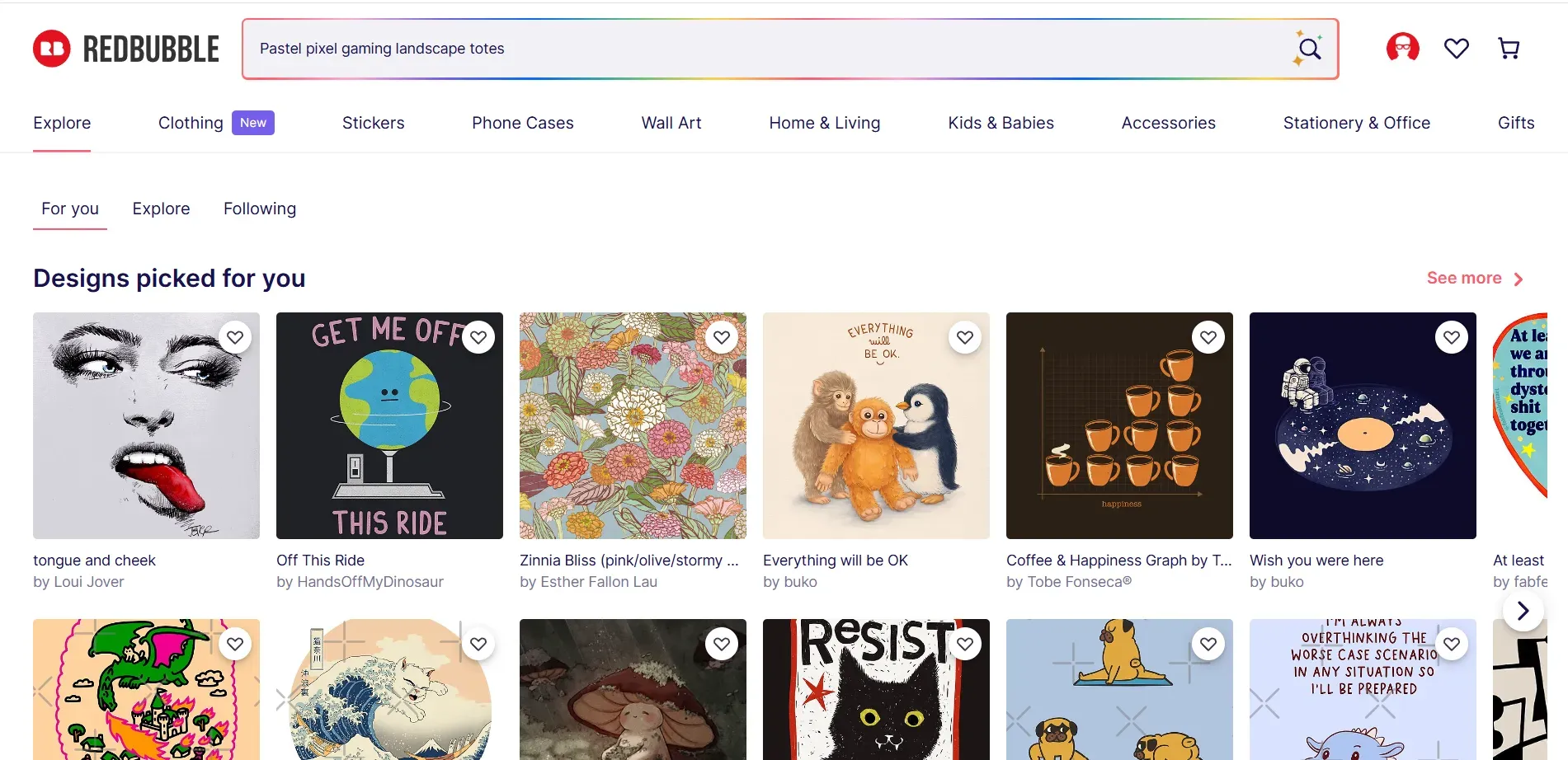
This Print-on-demand platform attracts a lot of organic traffic, so people go to Redbubble specifically to find unique art. It is great for side income, but don't expect to retire on it unless you have a massive seller portfolio.
Key Features
Huge Catalog: They offer a wide range of apparel, home decor, and stationery items.
Global Reach: This Printify alternative ships worldwide through a network of third-party printers.
Shopfront: You get a personalized shop page where you can display your banner and bio.
Big Files: They support high-resolution uploads so your art looks crisp on everything.
Total Automation: They handle everything from printing to shipping and returns.
Pros
You get access to millions of daily visitors without spending a dime on ads.
There are no upfront costs or complicated setup processes.
They allow a wide range of designs and styles, which is perfect for artists.
You can customize your shop’s look to match your artistic style.
Cons
You typically make only 10% to 20% per sale, which is quite low.
You have to wait for the payout cycle, and you don’t get paid instantly.
They are known for banning accounts suddenly if their bots flag a design.
Their new seller tier system is confusing and can limit your exposure.
Pricing: Base price is set by Redbubble, and you add your margin on top.
9. Teespring (Spring)
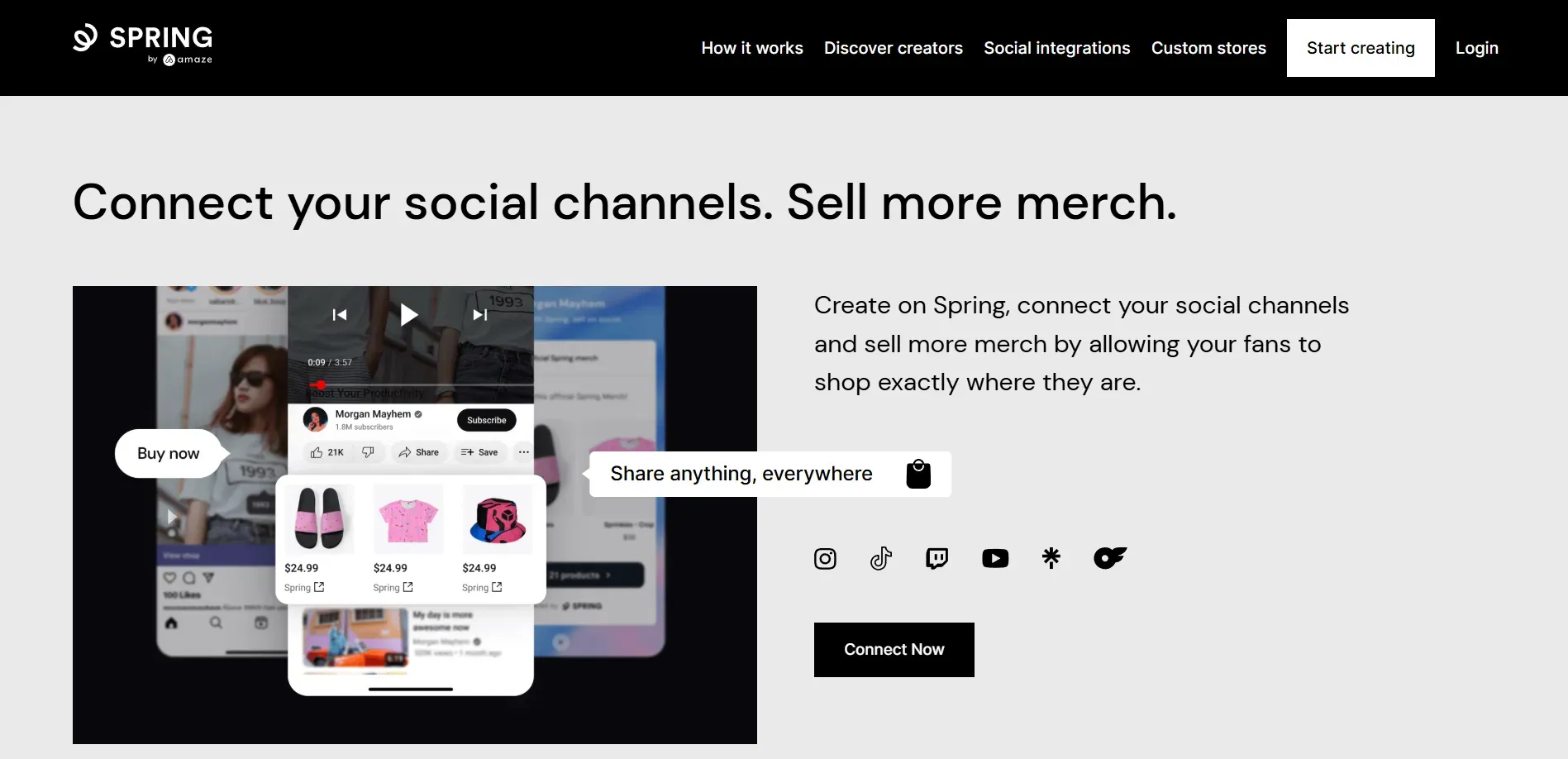
Spring (formerly Teespring) is the influencer’s first choice. If you have a YouTube channel or a big social following, then this is the easiest way to sell your merch.
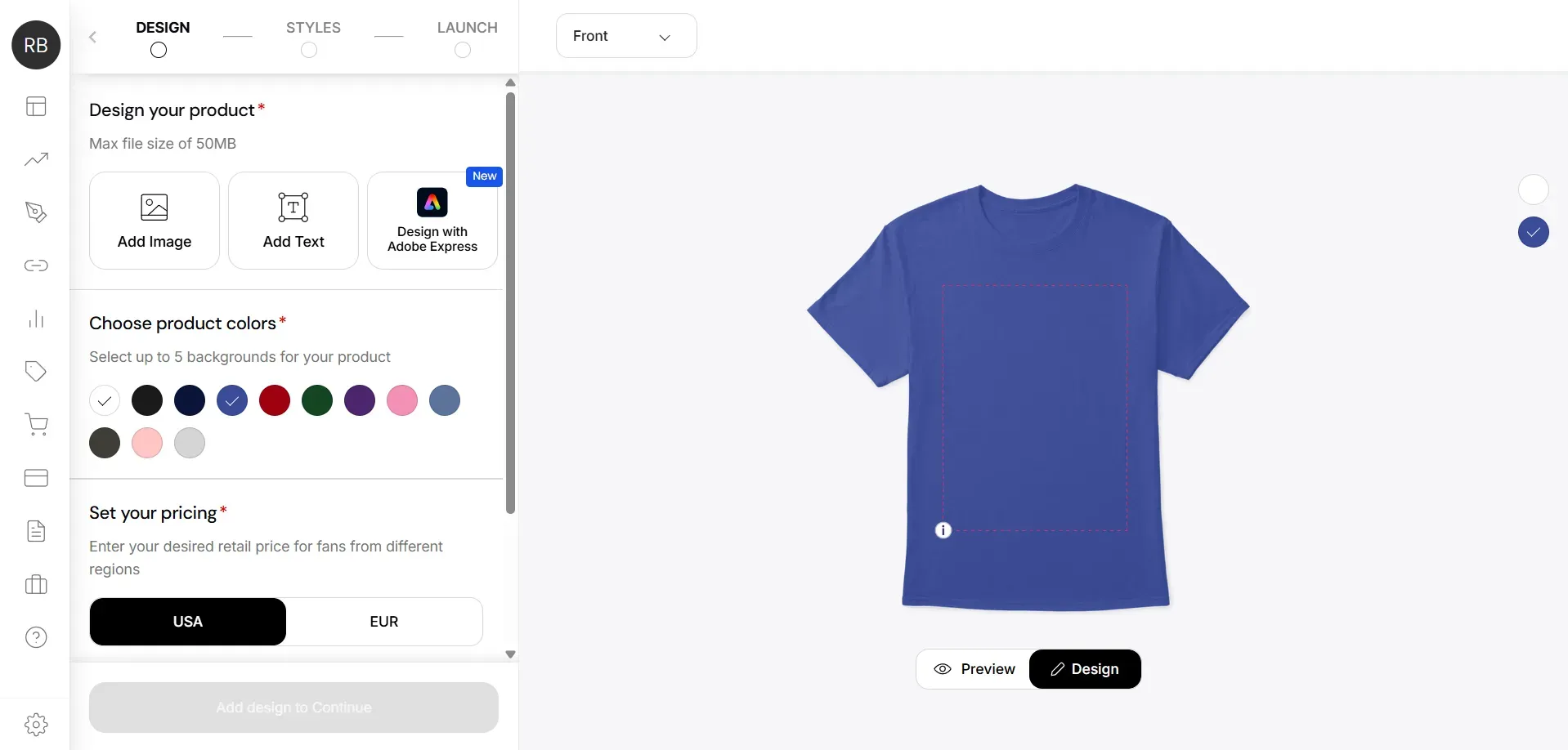
This Printify alternative integrates directly with the platforms, so your products show up right below your videos. It is extremely easy to use, but you give up a lot of control and margin for that convenience.
Key Features
Social Plug: It integrates directly with YouTube, Instagram, and Linktree for easy selling.
Zero Cost: There is absolutely no cost to start or maintain your store.
Simple Tools: The drag-and-drop designer lets you create products in minutes.
Full Service: This Print-on-demand platform handles all the logistics, payment processing, and customer support.
Decent Range: Choose from over 50 staple products like tees, hoodies, and mugs.
Pros
You can have a product live and selling in under 15 minutes.
There is no financial risk since you only pay when a sale is made.
It is built specifically for content creators to monetize their audience.
Once the setup is done, it runs itself completely.
Cons
You don’t own the customer data, so you can’t market to them later.
The profit margins are slim, making it hard to scale with paid ads.
If Spring changes its rules or shuts down, your business disappears.
Pricing: Fixed base cost per product, and you keep 100% of the profit you add on top.
10. Amazon Merch on Demand
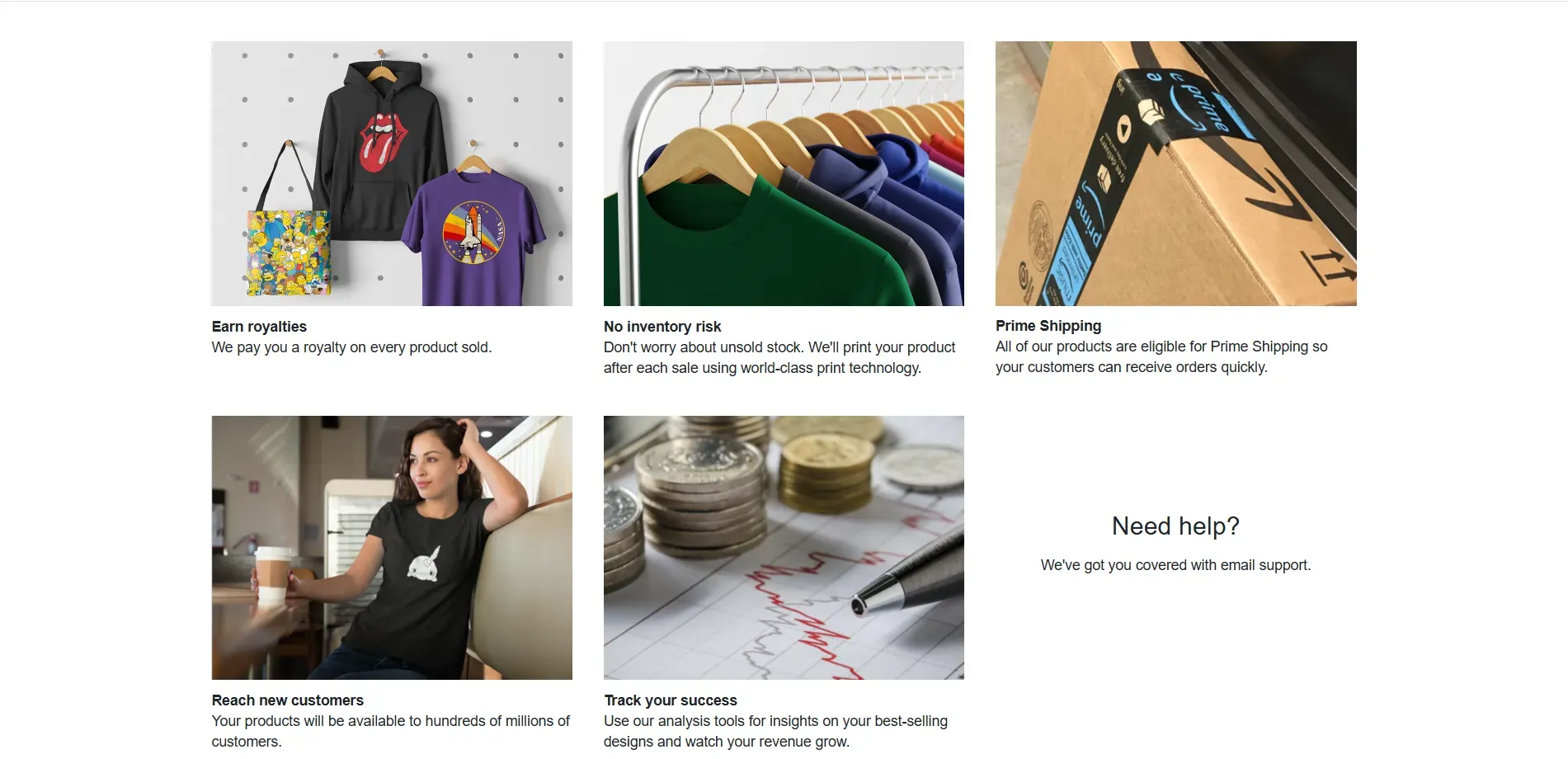
This is a great Print-on-demand platform for income that doesn't require daily management. Getting your designs on Amazon is huge because the traffic here is unmatched. You have access to Prime members who buy instantly. But getting in is the hard part, as they are highly selective. Once approved, the sales can start trickling in without any marketing effort.
Key Features
Prime Power: Your products are eligible for Prime shipping, which increases conversion rates.
Global Markets: You can sell on Amazon’s marketplaces in the US, UK, and beyond.
Total Automation: Amazon handles absolutely everything from printing to customer service.
Royalty Pay: You earn a fixed royalty on every item sold.
Strict Rules: This Printy alternative has a rigorous design approval process to ensure compliance with copyright laws.
Pros
You get access to the biggest ecommerce customer base in the world.
Once your design is up, you don’t have to do anything else.
There are no fees to join or list products.
You can reach customers internationally without lifting a finger.
Customers trust Amazon, so they are more likely to buy from it.
Cons
You have to apply and wait to be accepted into the program.
You start with a limited number of slots and have to earn more to get more.
The packaging you get is generic Amazon packaging, no custom branding options here.
Pricing: No fees, you just earn a fixed royalty on each sale you make.
11. Teelaunch
Teelaunch is the absolute best Print-on-demand platform for Shopify users. They have some of the most unique products I have seen, including laser-etched cutting boards and Bluetooth speakers. If you want to sell something other than t-shirts, you should check them out. They fly under the radar, but their integration is solid, and their pricing is fair.
Key Features
Unique Items: They offer niche products like electronics, homeware, and laser-etched goods.
Global Centers: They have fulfillment partners in the US, UK, Canada, and Australia.
Shopify Sync: It integrates seamlessly with Shopify for easy store management.
Branded Blanks: They offer quality apparel brands to keep your customers happy.
Simple Costs: There are no upfront fees, you just pay when you sell.
Pros
The setup is straightforward and perfect for new entrepreneurs.
You can sell products that aren't saturated in every other store.
Their base prices are highly competitive, leaving room for profit.
You don't have to worry about monthly fees eating into your cash.
Cons
You can only upload PNGs, and there are no advanced editing tools.
You can't order samples easily through the app interface.
The product images are functional but not very inspiring.
It is only available for Shopify and Etsy stores.
Pricing: Pay-per-order model with no monthly subscription fees.
12. AOP+
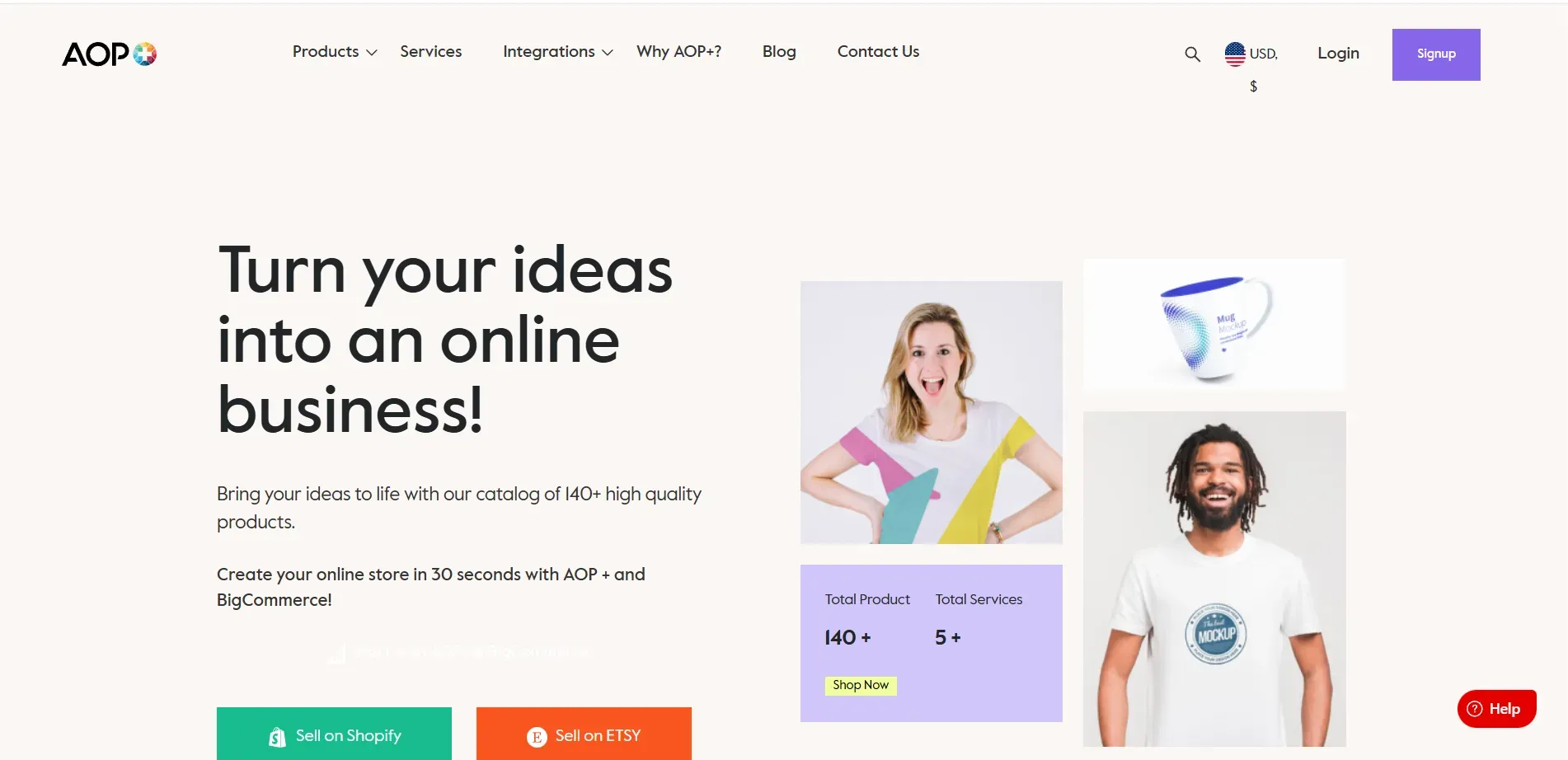
If you love All-Over-Print designs, then AOP+ is the Print-on-demand specialist you need. Based in London, they print everything in-house.
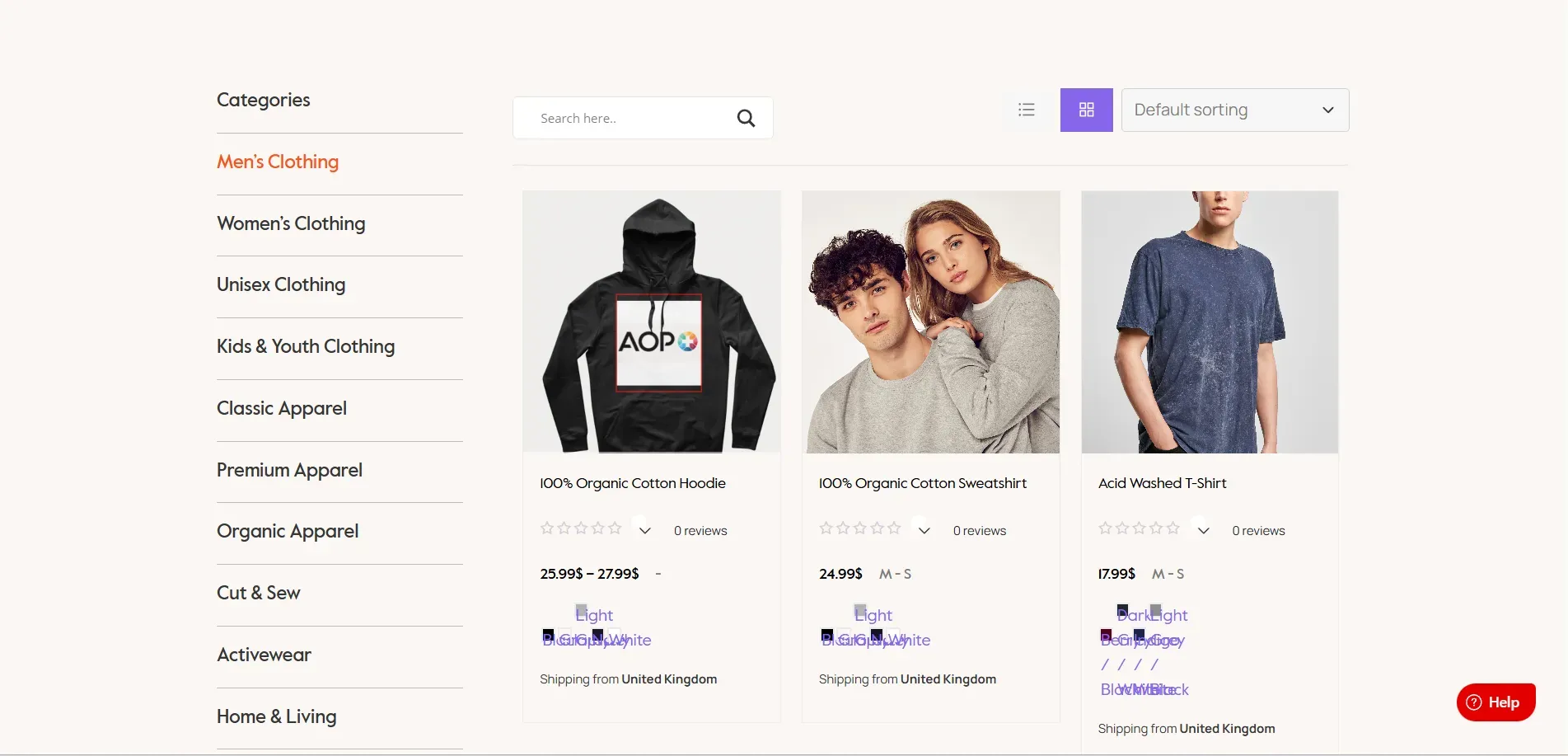
They are amazing for AOP products like leggings and cut-and-sew hoodies, where the design covers every inch of fabric. They also have a strong focus on organic and sustainable materials.
Key Features
London Made: All production happens in their in-house facility in London.
Full Coverage: They specialize in all-over-print products, such as leggings and dresses.
Brand Extras: You can add custom neck labels and packaging inserts.
Green Focus: They offer organic cotton and vegan-friendly printing options.
Design Help: They provide tools and stock designs to help you create better products.
Pros
Because they do it themselves, the print quality is highly reliable.
The branding options help elevate the unboxing experience.
Their team is responsive and helpful if you have questions.
There are no upfront costs to start selling on the platform.
It is great for brands that want to market themselves as sustainable.
Cons
Being UK-based means shipping to the US takes a bit longer.
It only connects with Shopify, Etsy, and BigCommerce.
You have to drive your own traffic to your store.
Pricing: Free to use, with a small transaction fee per sale.
The Role of Mockups in Print-on-Demand Success
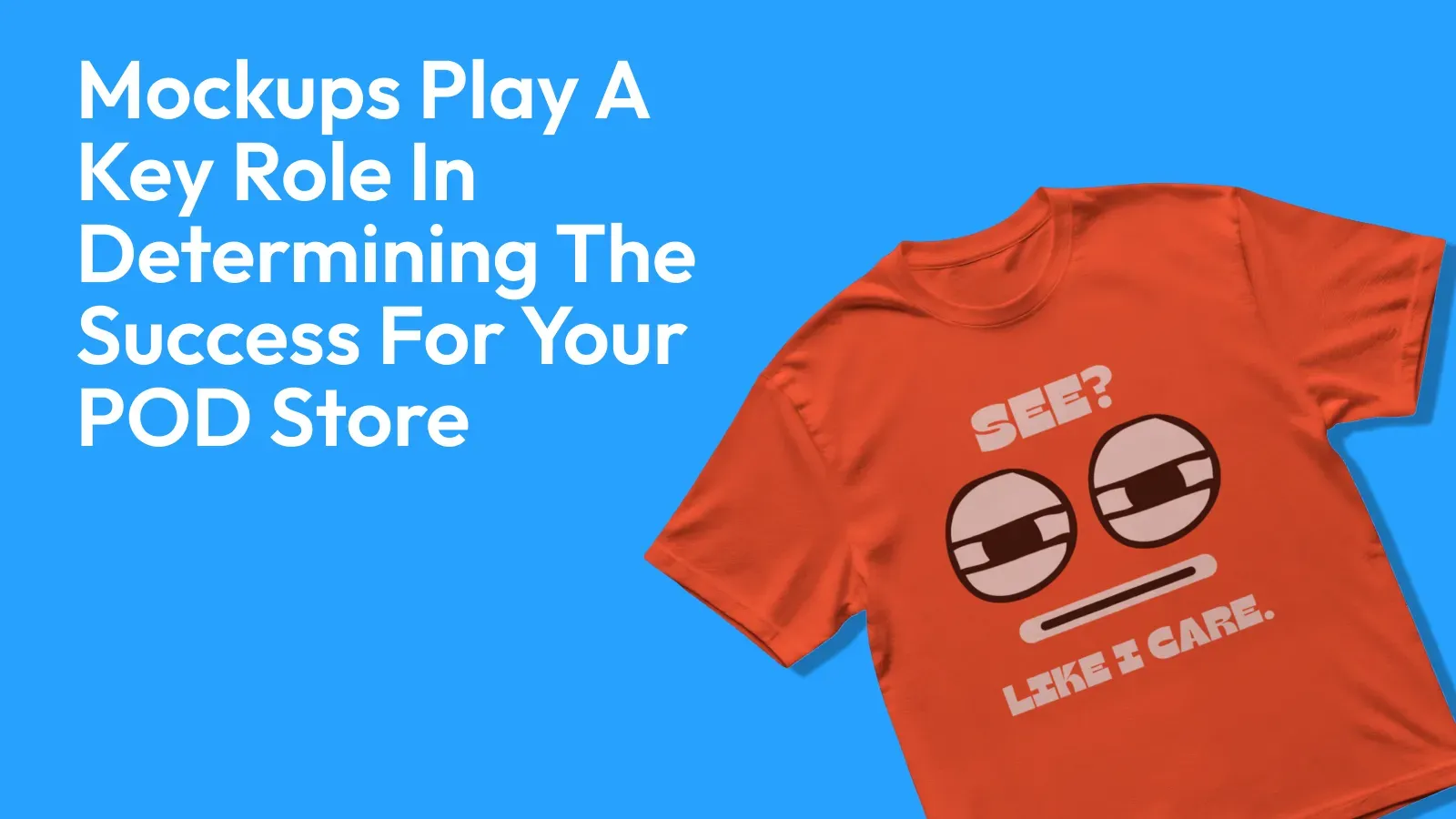
You can have the best design in the world, but if your product photo looks fake, nobody will buy it. Standard mockups from Print-on-demand platforms are never a good option. They look like a JPEG placed onto a random shirt.
In today’s generation, customers are savvy, picky, and they care about their wardrobe. They want to see how the fabric drapes and how shadows and texture play out. Lifestyle mockups significantly improve conversion rates by helping customers imagine wearing the actual product.
Print-on-Demand Mockup Generators vs Online Mockup Generators (Modor)
Modor is an AI-powered mockup generator offering high-fidelity 3D wrapping. This means the design actually curves around the chest and folds into the t-shirt's wrinkles. Modor allows for full control over lighting and shadows, so the mockup looks like a real photoshoot.
| Factor | Built-In POD Mockup Generators | Online Mockup Generators (Modor) |
|---|---|---|
| Mockup Quality | Basic 2D mockups with flat design placement | High-fidelity 3D wrapping with realistic folds, lighting, and shadows. Modor also offers high-quality 2D mockups |
| Editing Controls | Limited to resizing and repositioning designs | Advanced controls for positioning, lighting, shadow intensity, and background |
| Mockup Categories | Mostly product-only (t-shirts, hoodies, mugs) | Massive mockup library (from apparel to print to tech devices) |
| Mockup Library | Small, standardized set inside the platform, For reference 1300 mockups on Printify | 10,000+ mockups across 15+ categories |
| Best For | Product listings and fast store setup | Premium storefronts, paid ads, and brand-focused visuals |
| Ease of Use | Built-in mockup generators with instant previews | Easy-to-use interface with drag-and-drop editor |
How to Create Premium Product Mockups Using Modor: Quick Tutorial
If you want to level up your visuals, here is how you do it with Modor.
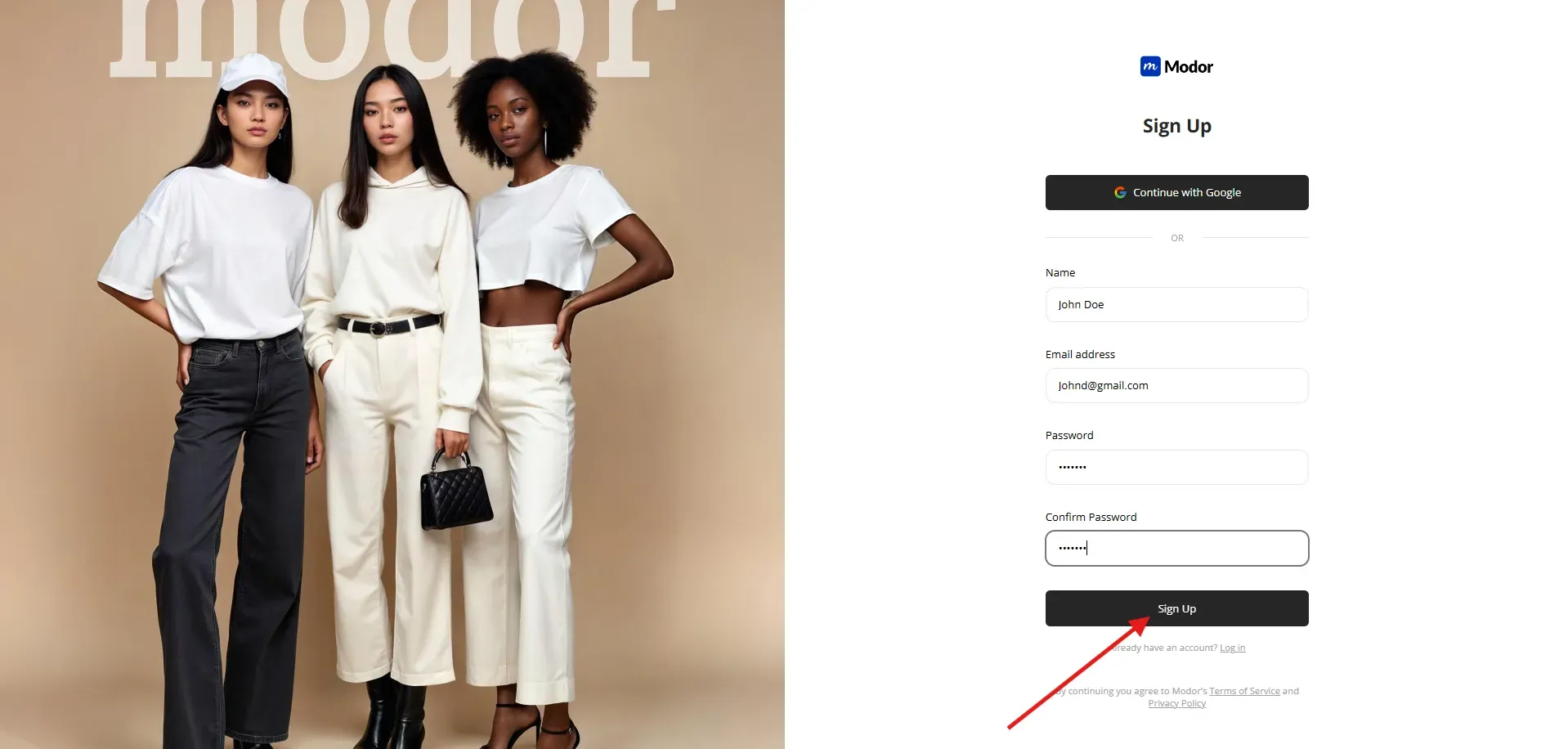
Step 1: Visit Modor and create an account using the Google or email sign-up option. If you already have an account, log in with your saved credentials.
Step 2: Once you are in the dashboard, choose a category from t-shirt, sweatshirt, hoodie, or tech devices. For this blog, we are going with a t-shirt
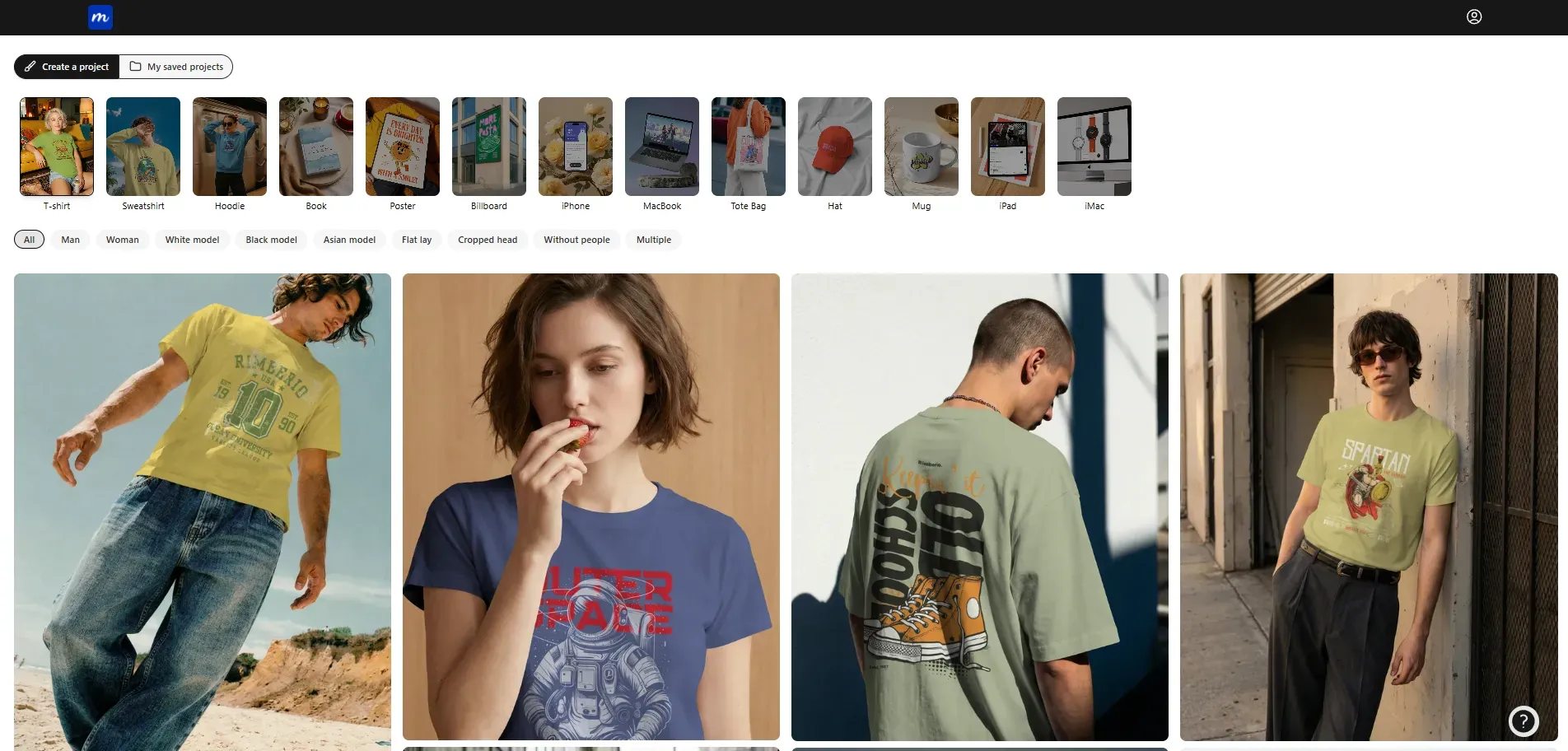
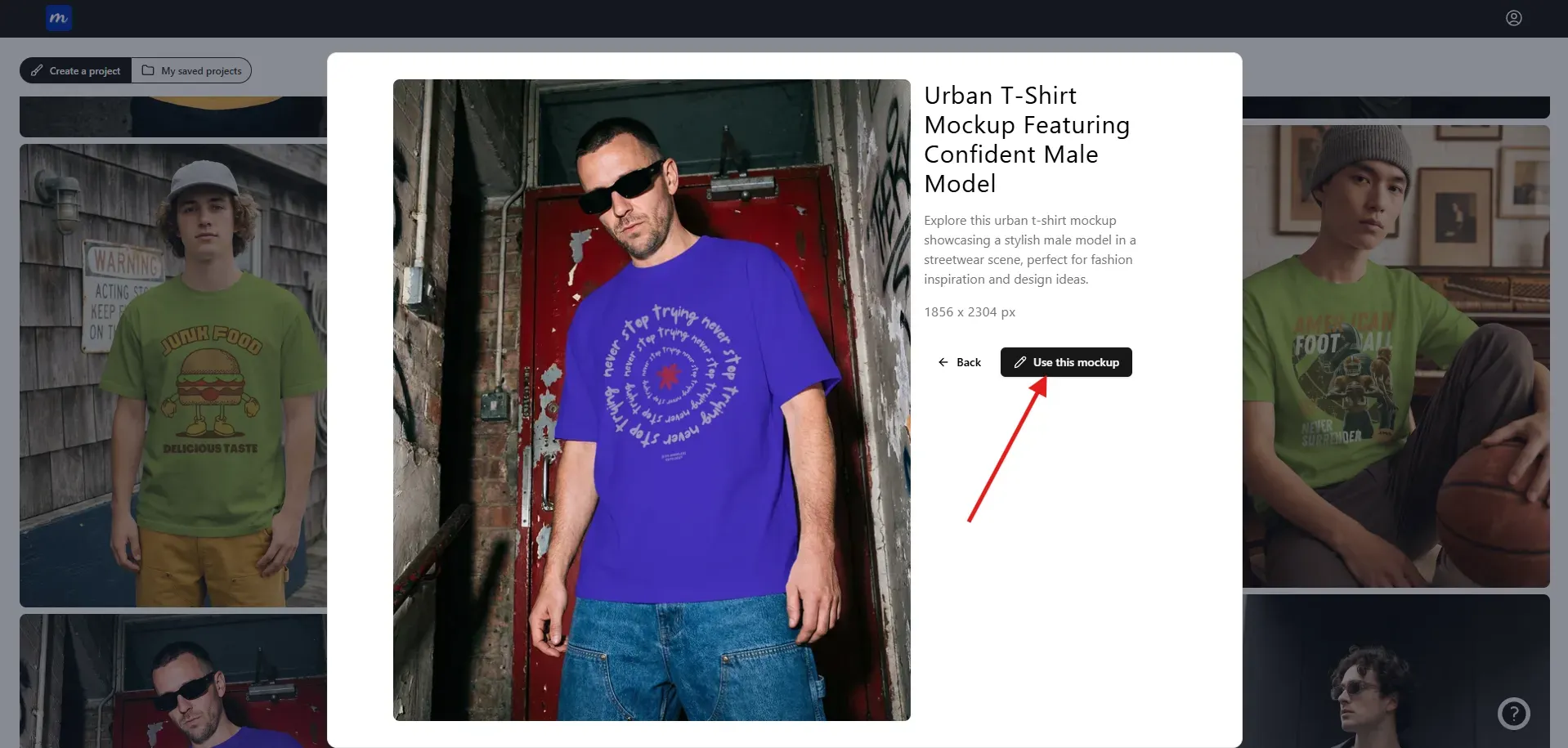
Step 3: Select a mockup that suits your brand and design. Next, click Use this mockup to open it in the editor.
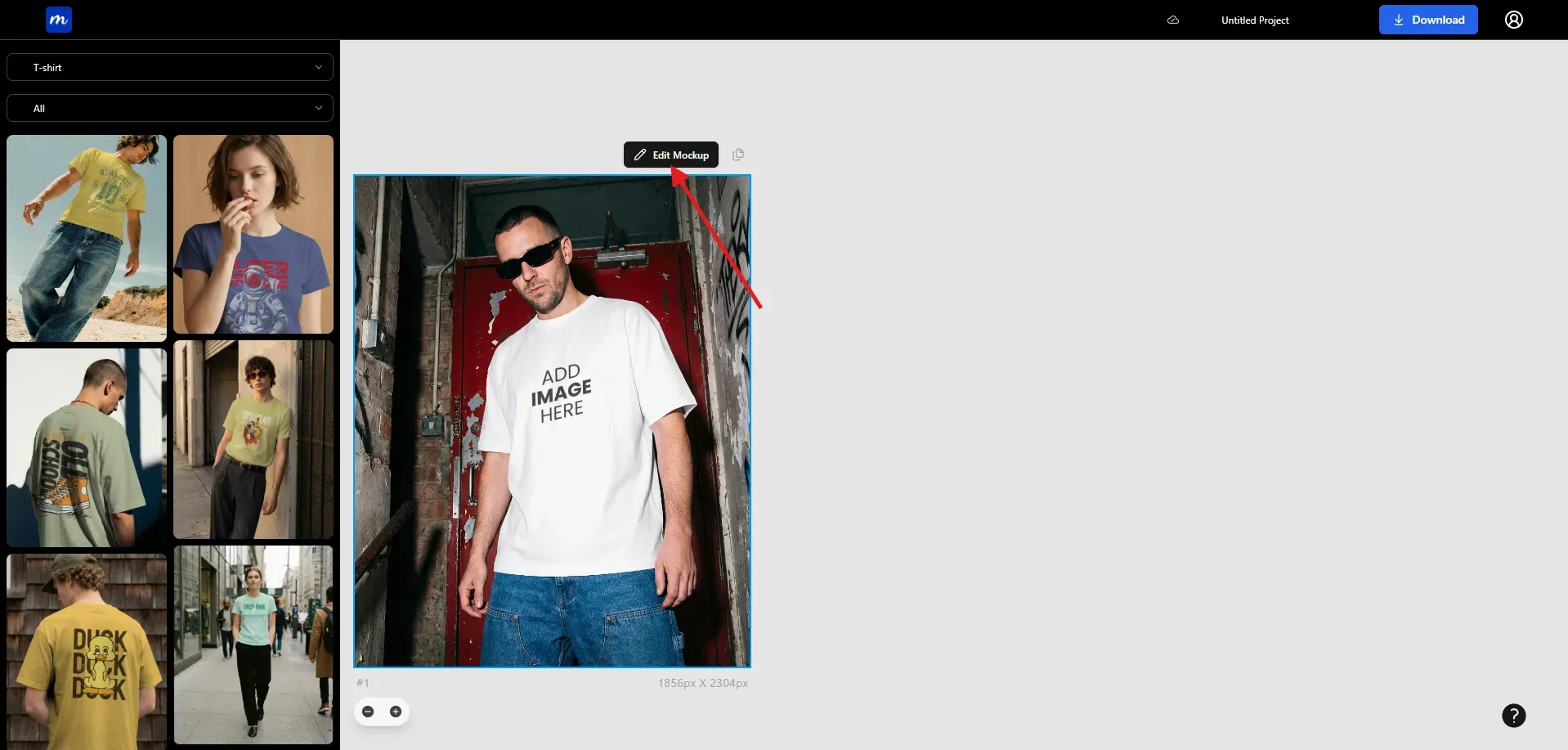
Step 4: Click on Edit Mockup to start editing the mockup.
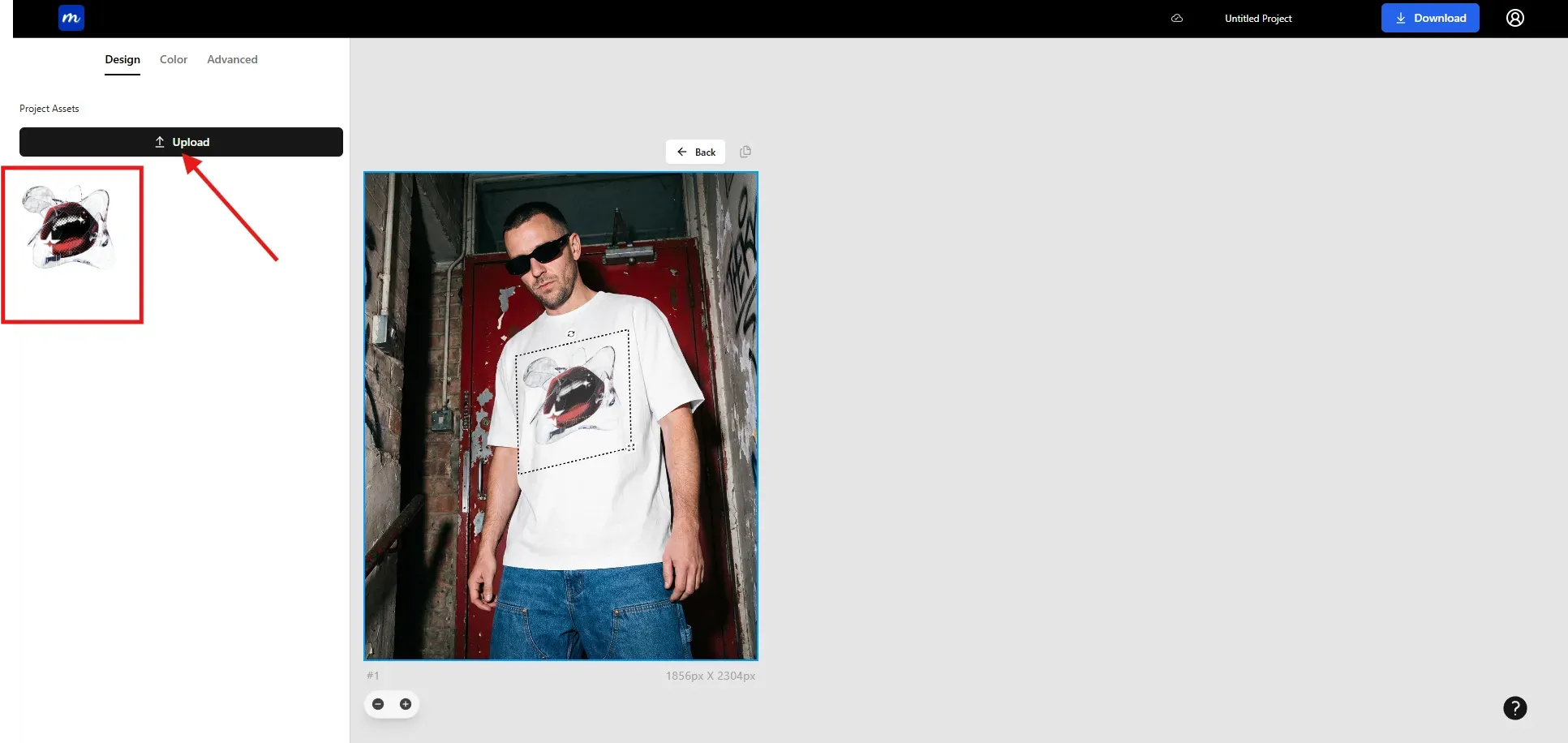
Step 5: Upload a t-shirt design under the Project assets tab. Upload a PNG design file, as PNG preserves sharp details.
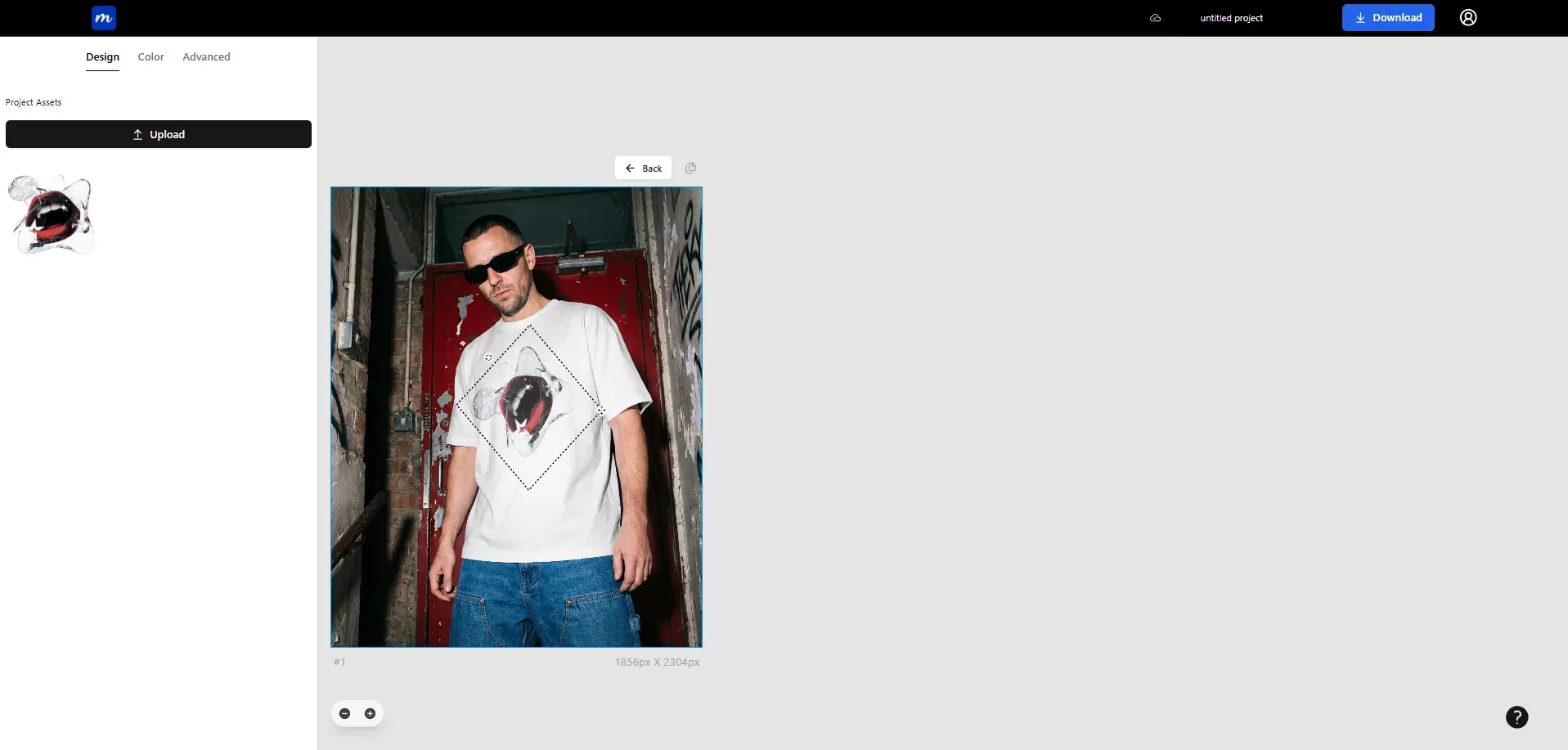
Step 6: Rotate, resize, and position the t-shirt design on the mockup.
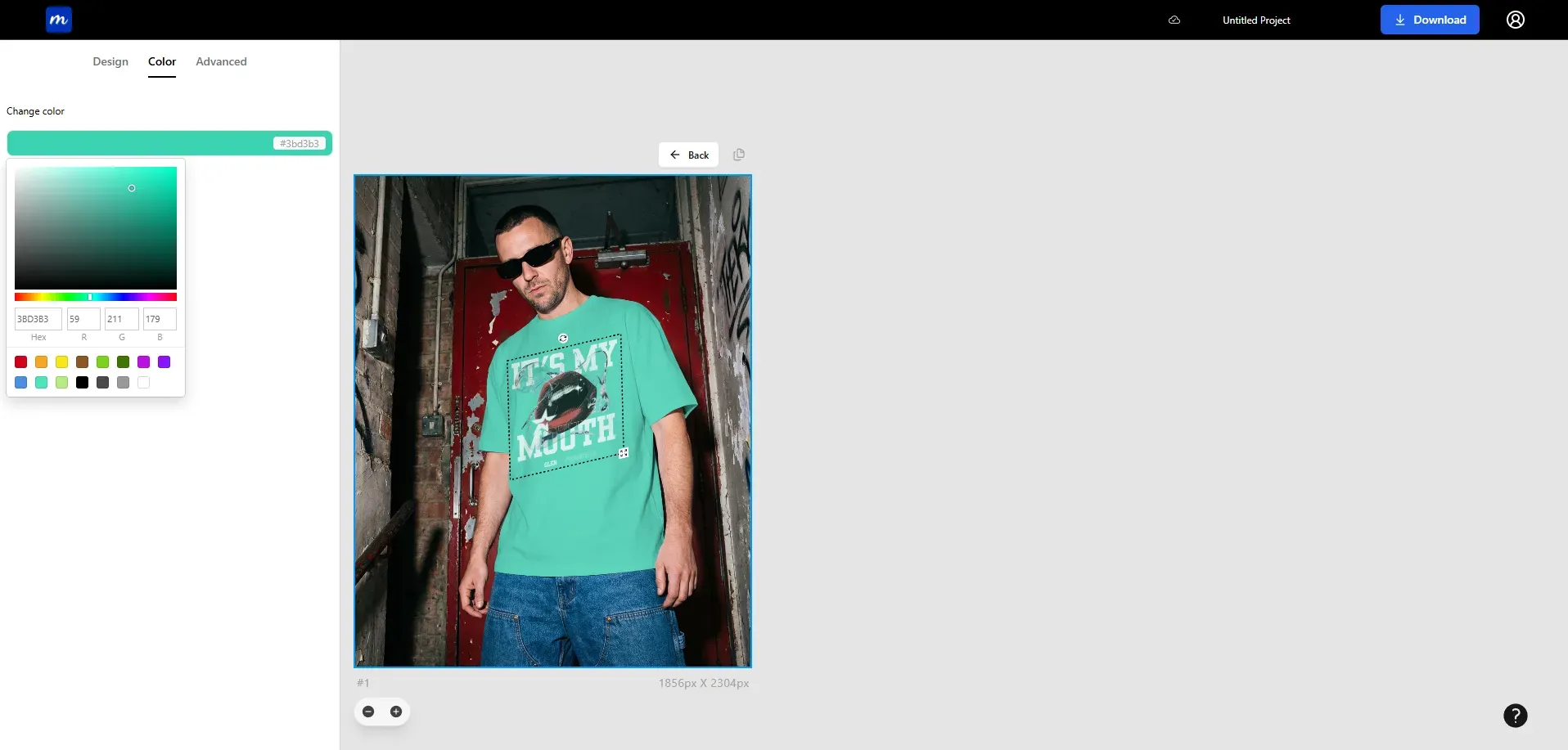
Step 7: Change the background color. Choose a color of your choice from the color picker.
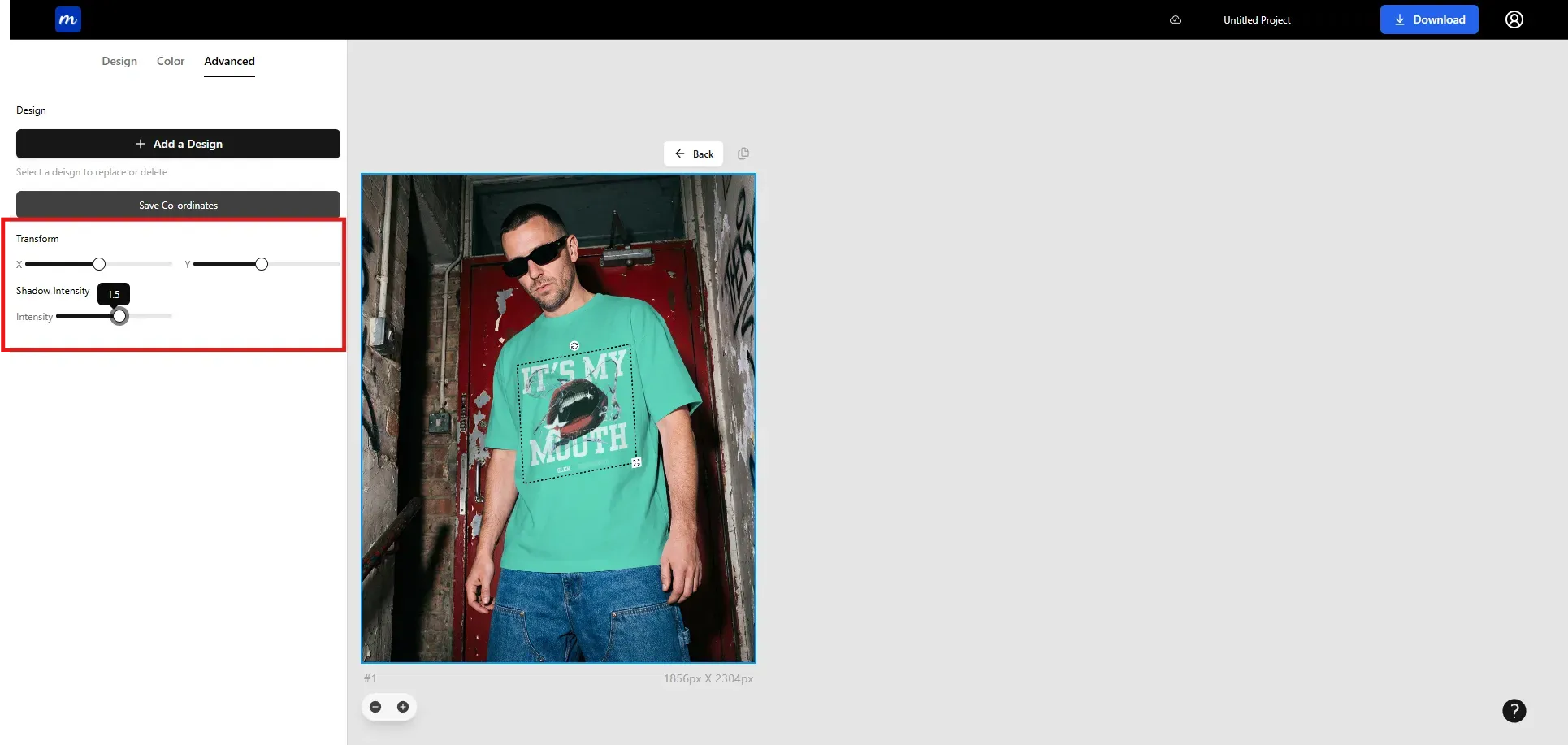
Step 8: Use advanced controls like X/Y positioning and shadow intensity. Shadow intensity is very useful. You can add realistic shadows to your mockup with just a slider.
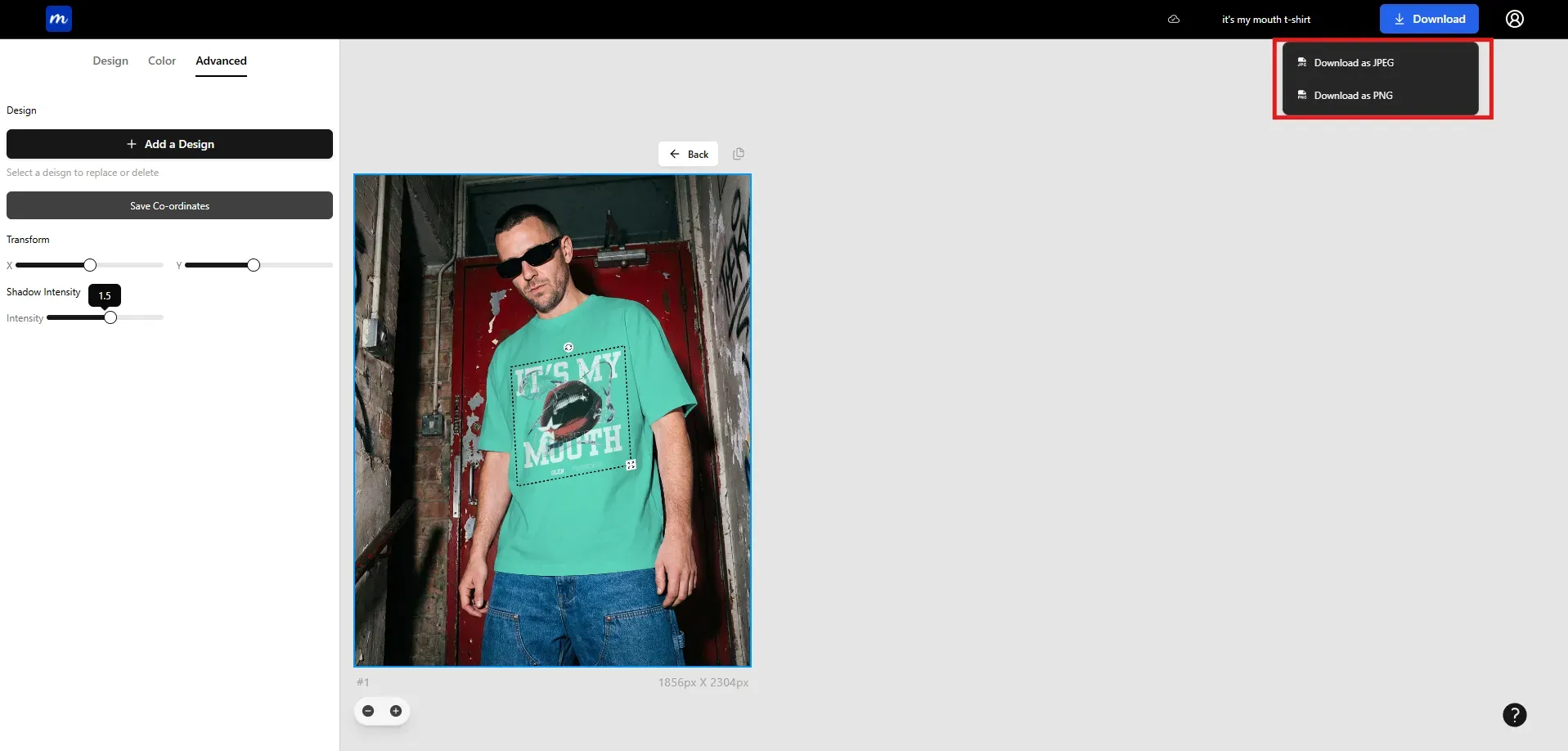
Step 9: Lastly, give the t-shirt mockup an appropriate name and download it as a JPG or PNG.
Final Verdict: Which Printify Alternative Is Right for You?
So which Printify alternative wins? Well, it depends entirely on what you are building. Here’s what I was able to summarise so far.
If you are building a premium brand and need to sleep well at night knowing the quality is perfect, go with Printful or Apliiq. The custom branding options are worth the extra cost.
If you want to sell to everyone everywhere, then Gelato is your best bet. Their global network is unbeatable for international reach.
If you need speed because you are running ads on viral trends, use SPOD or CustomCat. They will get the product on the screen before the trend dies.
And if you just want some passive cash without the trouble of running a store, stick to Amazon Merch or Redbubble.
Take my advice, and don’t commit to just one Print-on-demand platform. Use a multi-supplier strategy. Use Printful for your core line, SPOD for your rush items, and Gelato for your international orders.
FAQs
1. What is the best Printify alternative for higher profit margins?
It really depends on your sales volume. Subscription models like CustomCat Pro significantly reduce your unit costs. Marketplace platforms have no overhead but lower per-unit margins.
2. Which Printify alternative ships the fastest globally?
Gelato is the absolute winner here. Because they print in 32 countries, they can usually get a product to a customer in their own country within days.
3. Are there cheaper Printify alternatives for beginners?
Yes definitely. Marketplaces like Redbubble cost nothing to start. For standalone stores, Gooten and CustomCat have very low base prices.
4. Can I use multiple print-on-demand suppliers at the same time?
You absolutely should. You can use apps to route specific products to different suppliers. It protects you if one supplier has a meltdown.
5. Which Printify alternative provides the best branding and white-label options?
Apliiq and Printful are the top choices for branding. They allow for custom-woven labels and packaging that make your brand look legit.