

My 8 Favorite Kittl Alternatives for 2026: Manually Tested
8 Best Kittl alternative: 2026 review of 8 top design tools, in-depth testing, pros, cons, and pricing.
Published Dec 12, 2025
Learn how to create mug mockups on Modor with simple steps, pro tips, and 2026 trends.
10 min
How to create mug mockups that are not only visually appealing, but also highly converting? Modor simplifies the workflow with a variety of mug mockup templates, including coffee mug mockups, ceramic styles, 3D designs, and more.
We’ll go through the entire process from selecting the right template for your needs to customizing the mockup with different tools like Modor, Canva, Kittl, Photoshop, and exporting. By then, you will know exactly how to create mug mockups that are not only visually appealing but also perfectly ready to publish.
Additionally, we’ll discuss tips to test different mug mockups and current mug mockup trends, so you can stay ahead and create designs that actually convert.
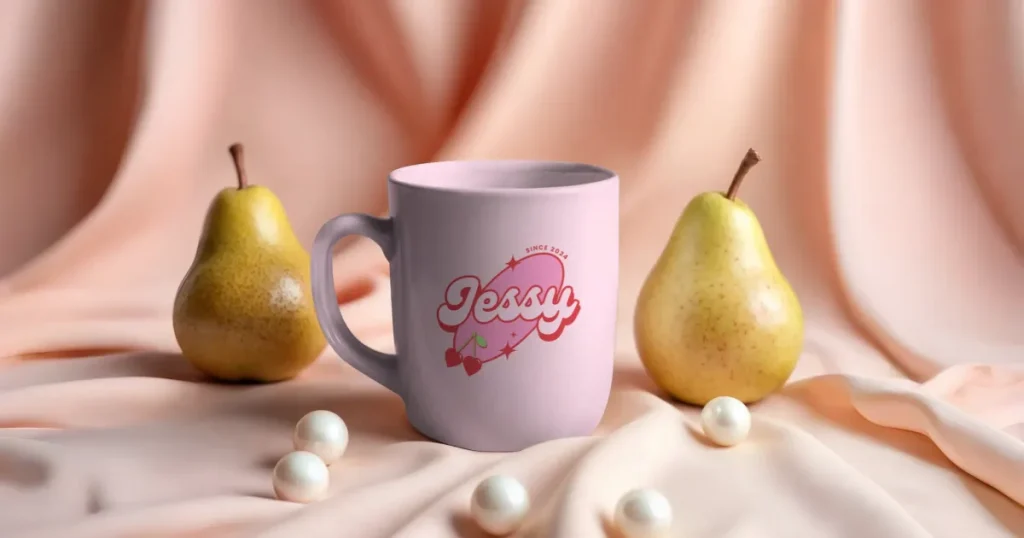
A mug mockup is a digital preview of how your mug design will look on a real ceramic mug. This allows you to test alignment, clarity, and color accuracy without creating a physical product. Mug mockups enable faster decision-making for POD sellers and designers by providing a realistic view of the final product before printing.
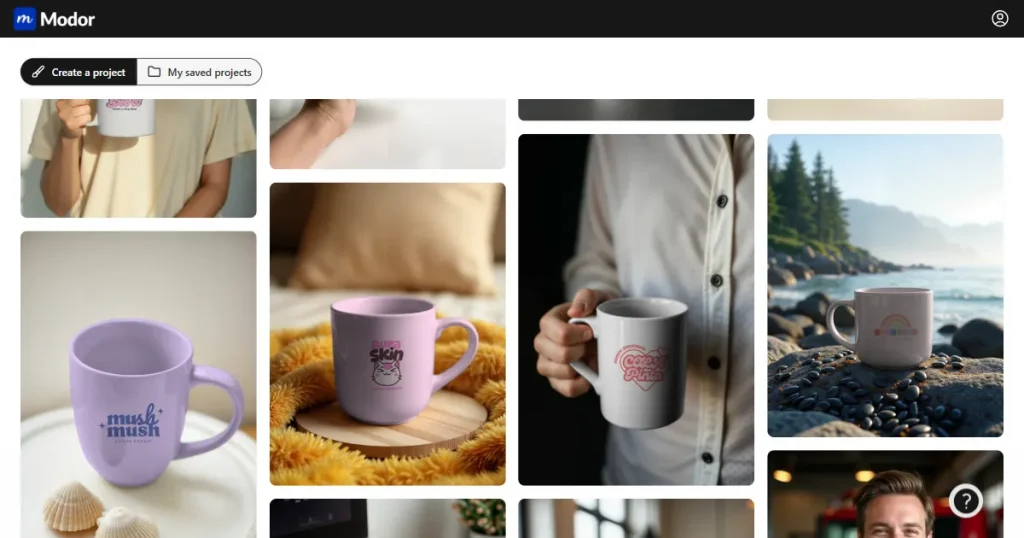
Modor mug mockup generator offers smooth curvature control, natural lighting, and easy design placement, helping you create mug mockups with a realistic finish. This mug mockup generator loads quickly and offers various styles, making the process to create mug mockups friendly for beginners and experts alike who want clear, consistent results.
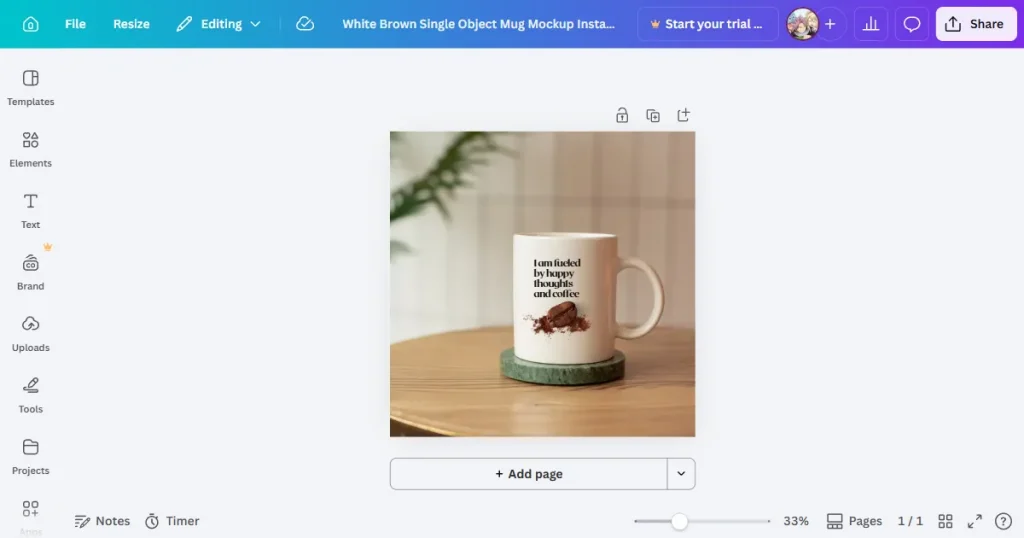
Canva lets you quickly create mug mockups with a drag-and-drop interface. It works well for simple studio displays. This mockup generator also serves as a free mug mockup option for beginners. The challenge is that the lighting doesn’t always look realistic, which makes the mug mockup feel slightly flat in professional product listings.
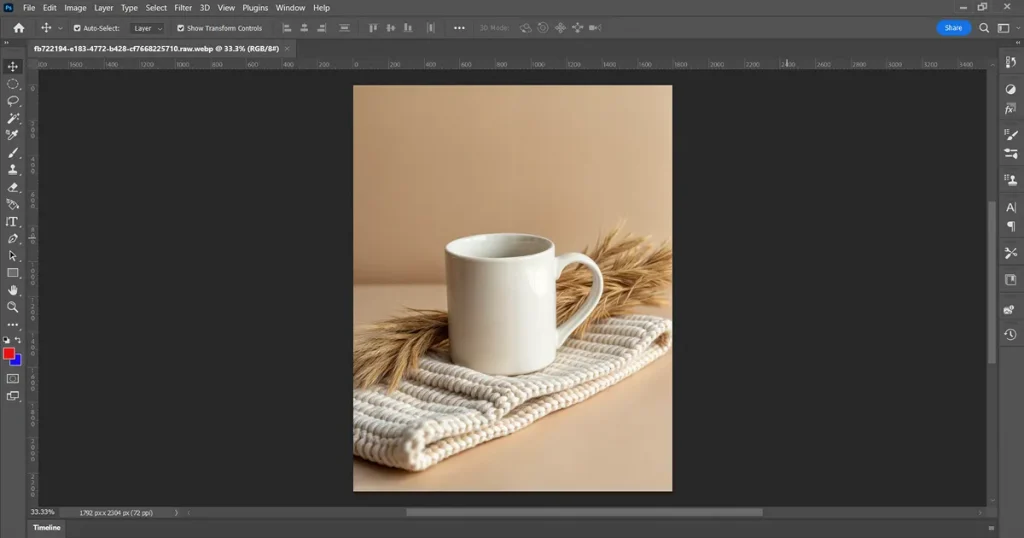
Photoshop is a powerful mockup tool for users who want complete control of lighting and shadows. You can adjust reflections and add custom scenes to create mug mockups. The downside is the steep learning curve and the time required to create mug mockups from scratch.
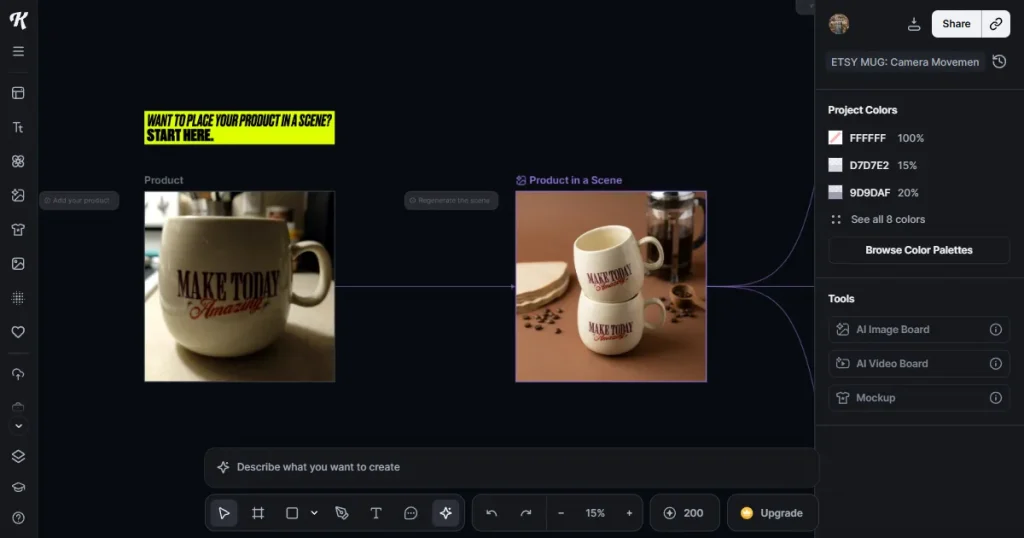
Kittl allows illustrators to design and create mug mockups in the same workspace. It supports creative designs and clean ceramic placements. The limitation is that the mockup library is smaller than mug mockup generators like Modor, and does not fully function as a dedicated mug mockup generator.
Shoppers scroll fast, and your mug mockup needs to catch their attention in a few seconds. A mug mockup stands out most when the lighting feels natural, and the scene feels familiar. A kitchen counter, a morning desk, or a warm reading corner can instantly tell a story about the mug, especially when using a coffee mug mockup scene that feels real.
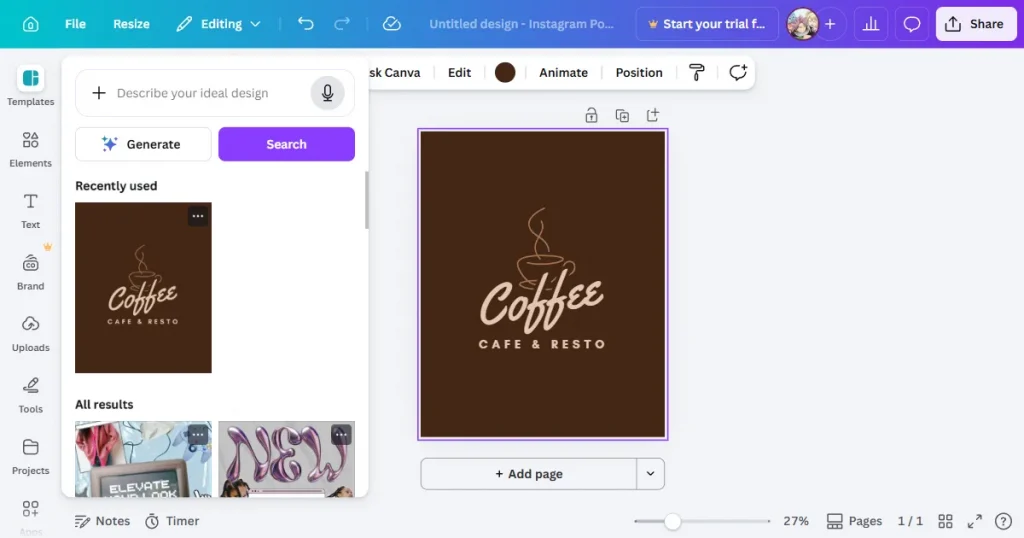
Every mug design begins with clean artwork that can hold its shape on curved ceramic. You can create this using Kittl, Illustrator, Canva, Procreate, Photoshop, or Figma. Export your artwork as a transparent 300 DPI PNG so your mug mockup looks crisp in all sizes, even if you’re using free mug mockup templates.
Design Inspiration can come from Pinterest, Behance, Dribbble, Etsy, or Instagram. These platforms show what is trending and what buyers respond to. Avoid thin lines and overly detailed designs, as they stretch more visibly along the mug curve. High contrast always helps your mug mockup stay readable on any screen.
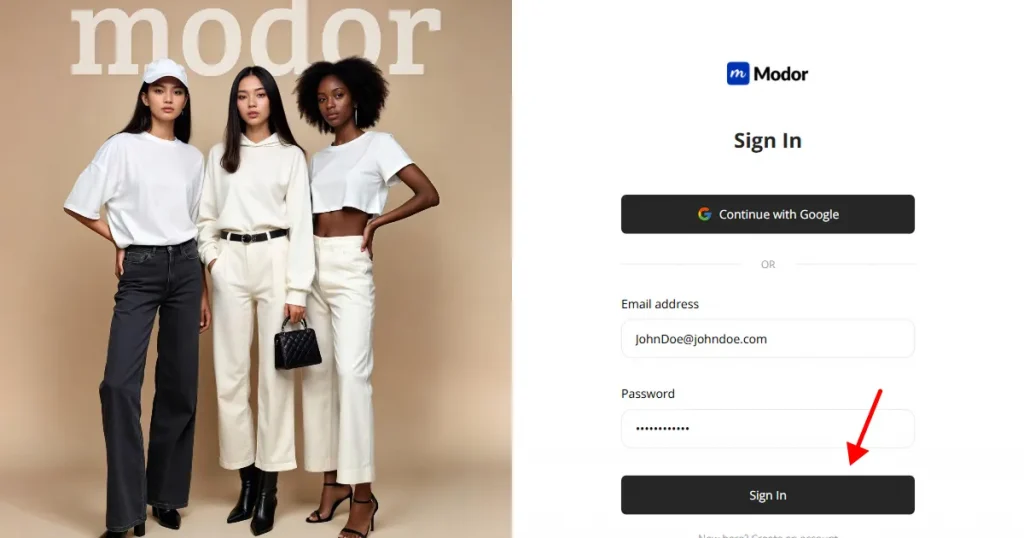
Step 1: To create mug mockups, first sign up on Modor using Google or email, and Google is often faster and easier. If you already have an account, log in with your saved credentials to explore the dashboard.
Step 2: Open the dashboard and choose the Mug category from options such as t-shirts, hoodies, iPhones, posters, and more.
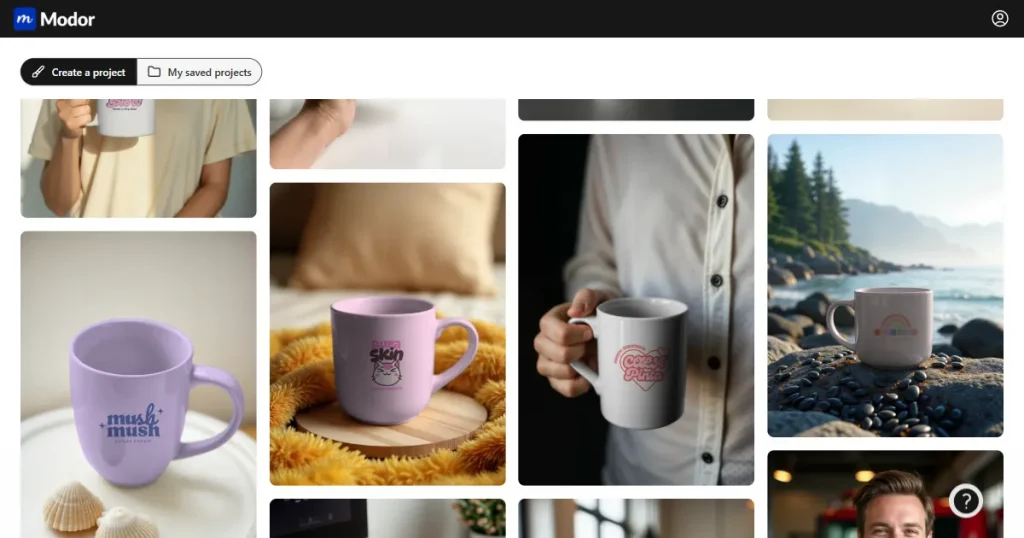
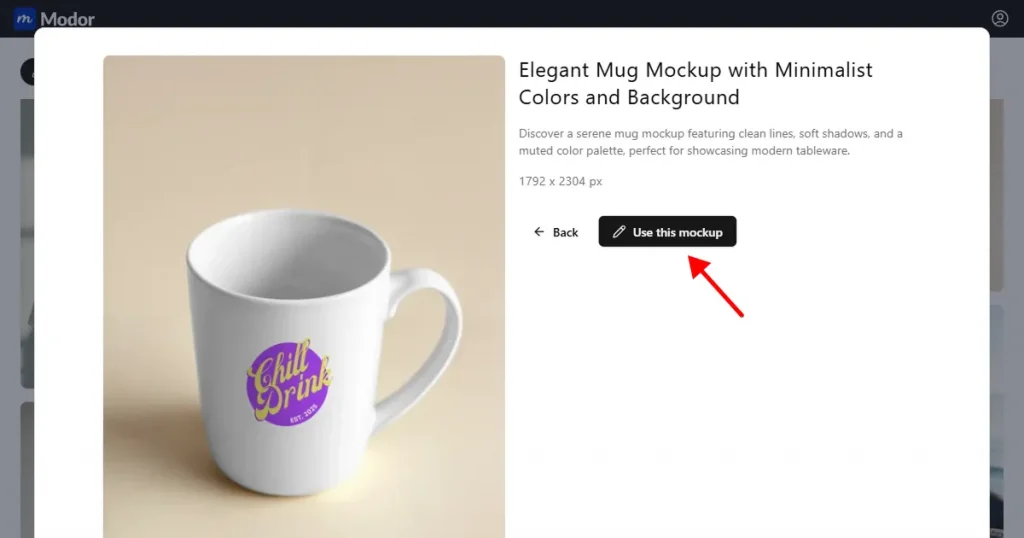
Step 3: Pick a mug template that matches your brand mood, whether minimal, lifestyle-inspired, textured, or studio-styled. You can also explore mug mockup free templates to test different styles. Once you have picked a template, click on Use this mockup to begin editing.
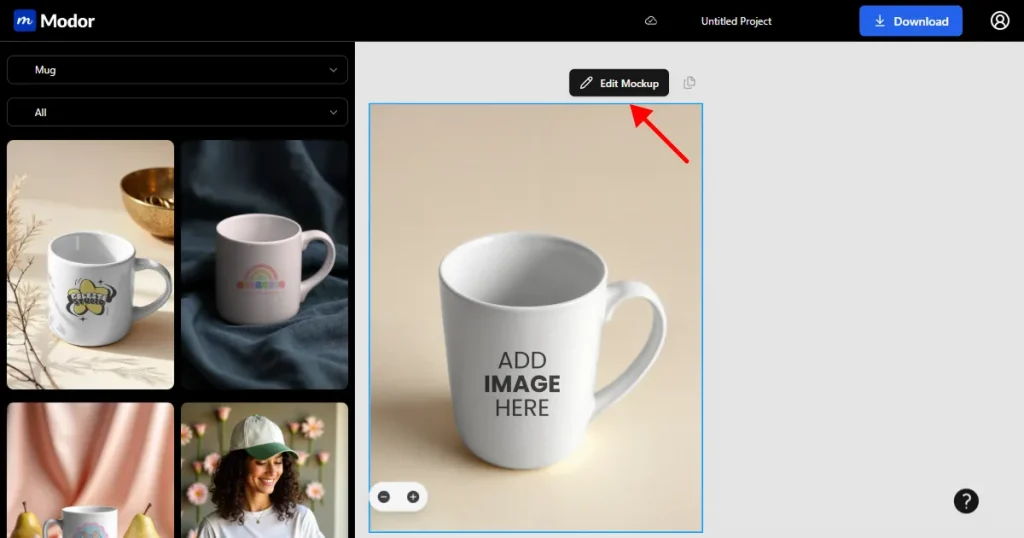
Step 4: Once in the editor, click on Edit mockup to unlock the editing toolkit
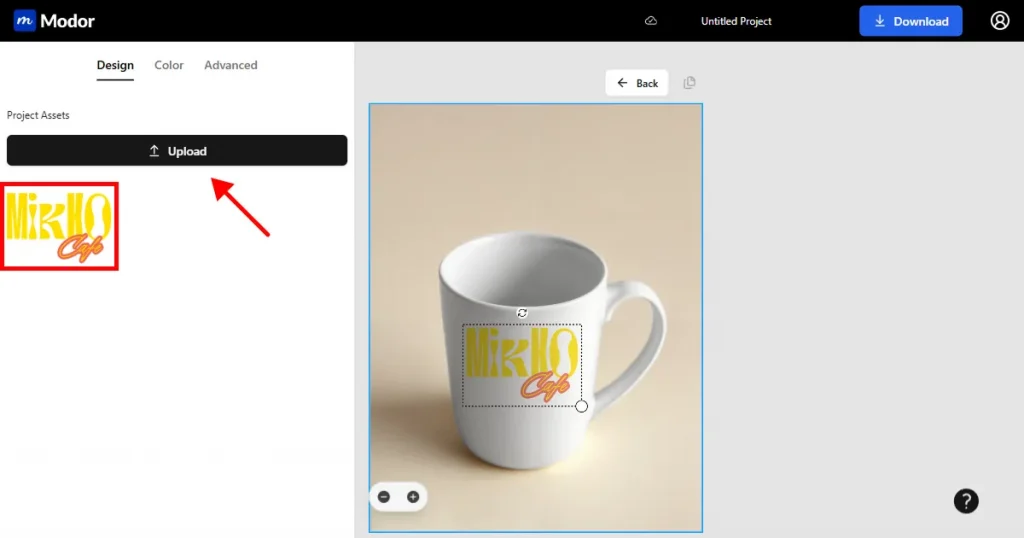
Step 5: Upload your mug design and place it neatly inside the mug layout area. Uploading your design in transparent PNG ensures color accuracy and blends smoothly with the mockup.
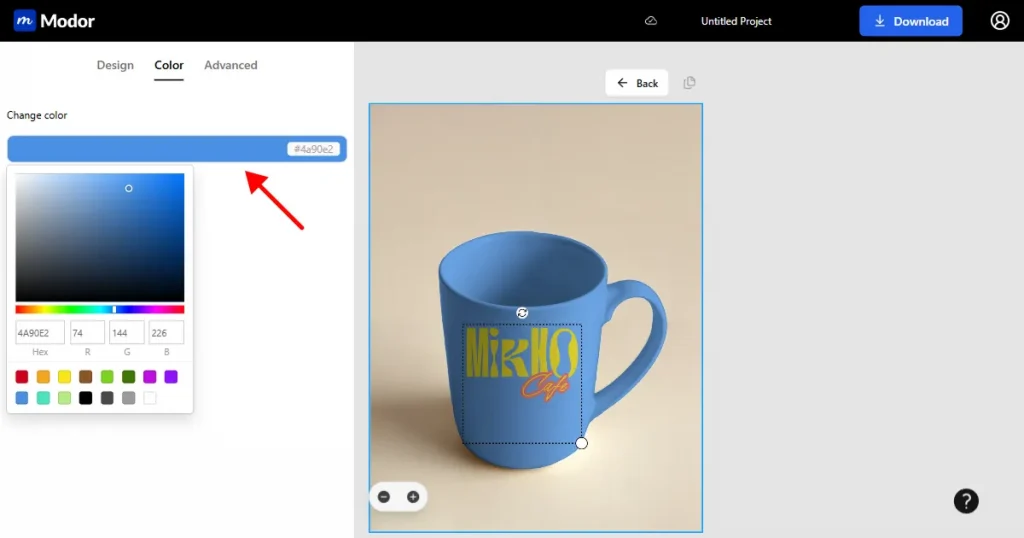
Step 6: Adjust the colors in the mockup using the color picker or by entering hex or RGB values. Hex code and RGB values are better if you want to use brand colors.
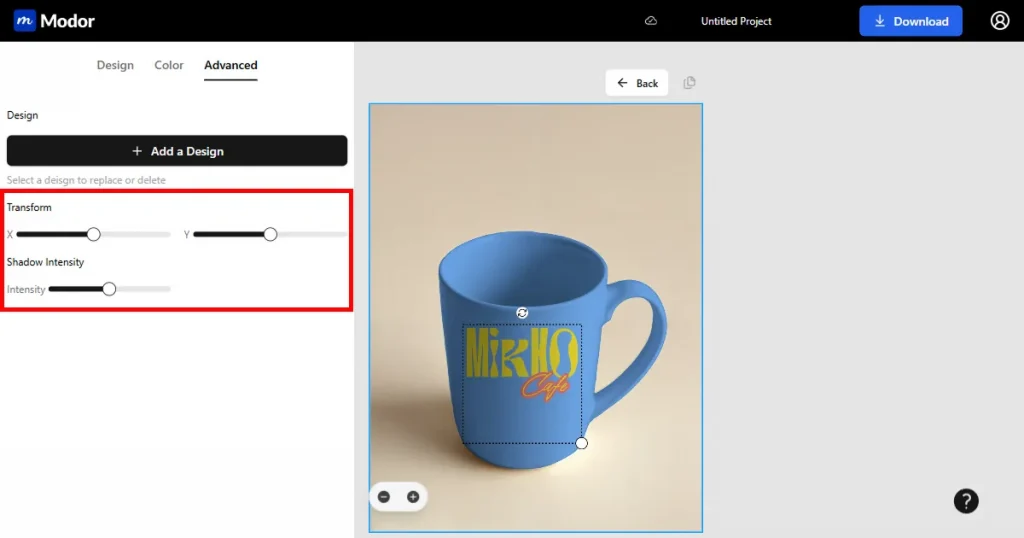
Step 7: Use Transform X and Y to align the artwork naturally around the mug curve.
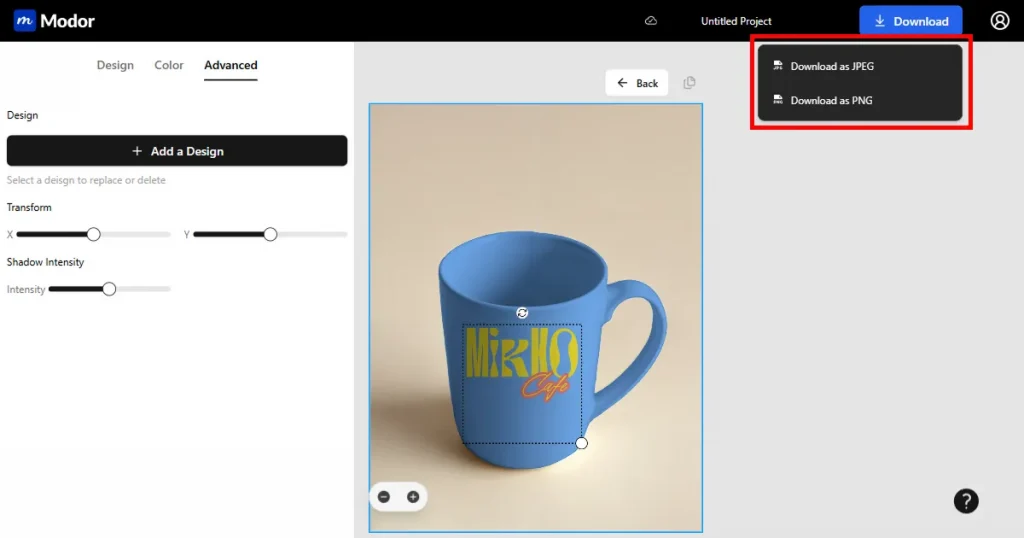
Step 8: Give your project a name so you can revisit and refine it later. Download your mug mockups in high-resolution JPG or PNG for your store or ads. JPG works best for e-commerce listings, while PNG preserves great detail in your mockups.
After you create mug mockups, testing them before publishing saves time and prevents common issues that lower conversions. Make sure your mug mockup passes the checks below.
Many creators experience mug mockups failing on marketplaces because shoppers catch minor mistakes you missed. When a mug mockup fails, it can reduce clicks, conversions, and buyer confidence. Here are some of the biggest culprits behind poor mug mockups.
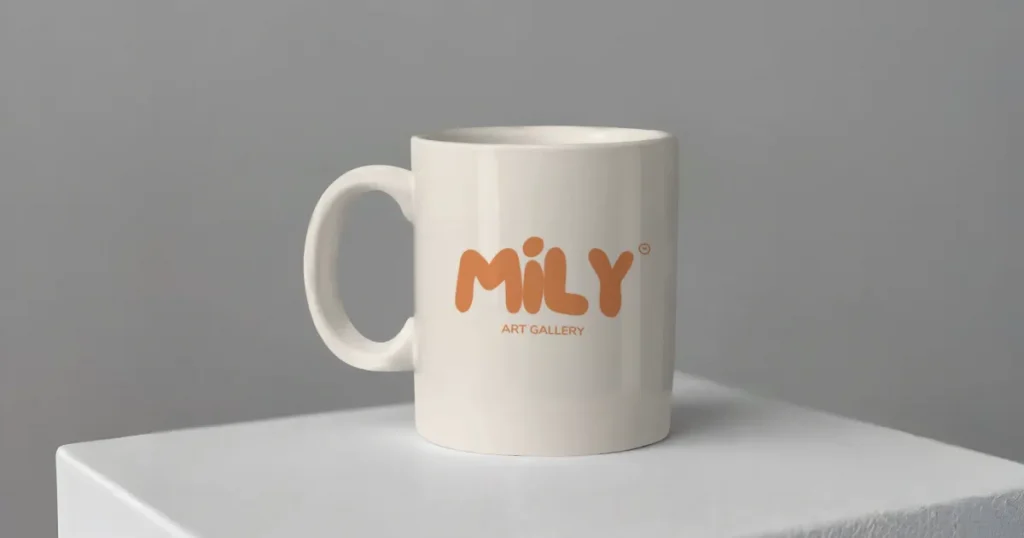
Minimal mug mockups use soft lighting and clean backdrops that keep the focus on the mug design. This style removes distractions and highlights the mug’s simplicity.
Use case for minimal mug mockups: Ideal for modern brands and typography-based designs that require a clean, calm presentation.
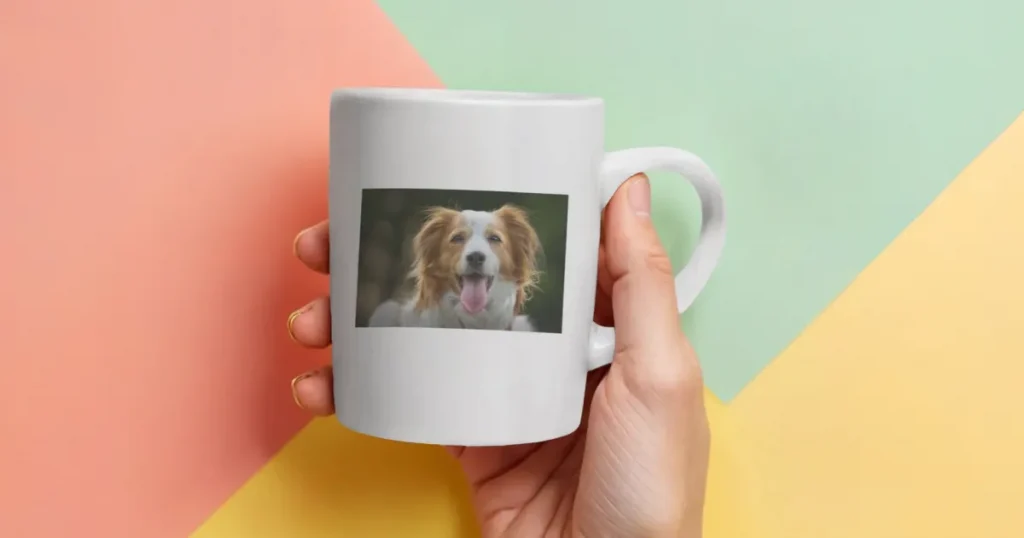
These mug mockups feature names, pet photos, portraits, or simple memento-style layouts. They make the mug design feel sentimental and thoughtful.
Use case for personalized mug mockups: Perfect for gift shops and seasonal sellers who attract buyers looking for meaningful items.
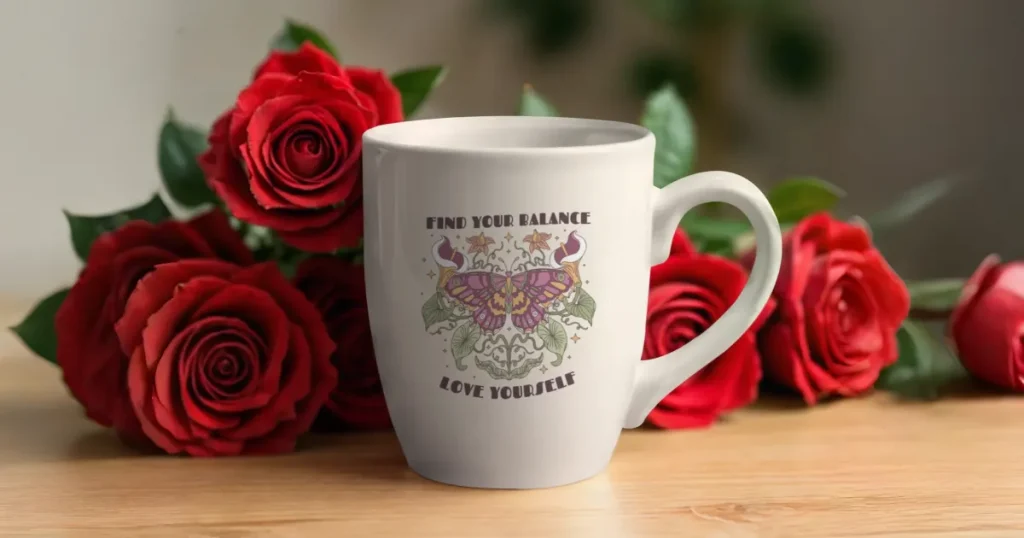
Artistic mug mockups display illustrated scenes, boho patterns, colorful textures, or stylized art. They create a more expressive display of the mug design.
Use case for artistic mug mockups: Great for creative brands, illustrators, and digital artists selling their artwork as products.
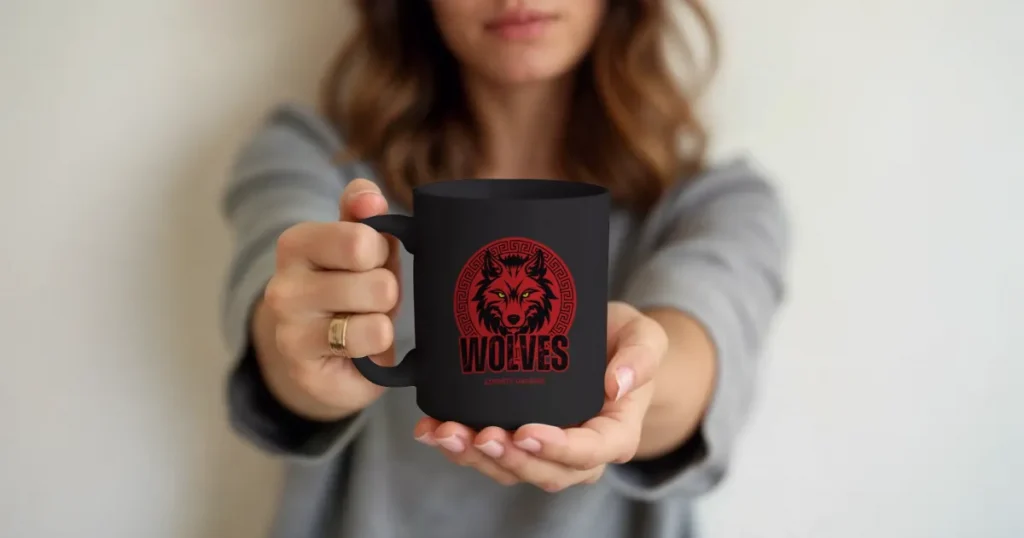
Textured mug mockups showcase matte ceramic finishes, speckled surfaces, or handcrafted details. These make the mug mockup appear more tactile and warm.
Use case for textured mug mockups: Ideal for artisan shops and premium brands that use earthy or handcrafted themes.
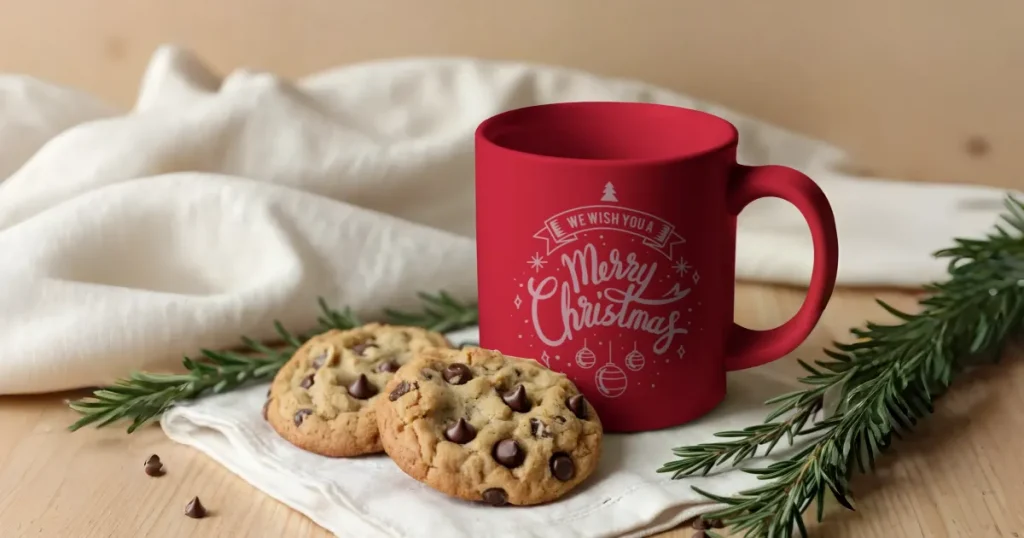
Occasion-based mug mockups use props and colors inspired by festivals or events like Christmas, birthdays, weddings, or seasonal holidays.
Use case for occasion-based mug mockups: Best for limited edition drops and time-bound campaigns tied to events.
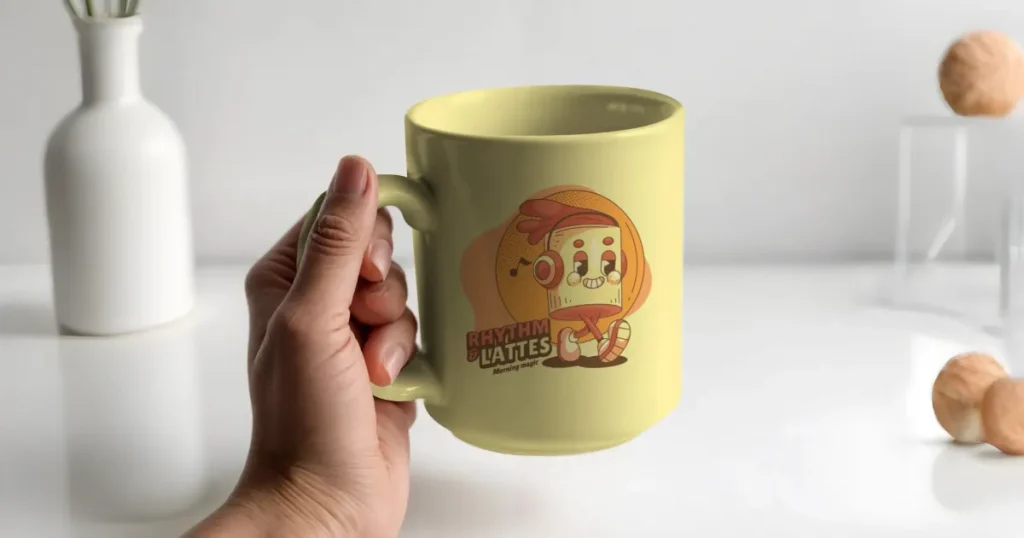
Pop culture mug mockups use anime themes, memes, retro graphics, or iconic quotes. They tap into fandoms and trending interests.
Use case for pop culture mug mockups: Perfect for stores that cater to younger buyers and communities that follow current trends.
A realistic mug mockup helps your products stand out in crowded marketplaces and gives your buyers confidence. A mockup of a mug that feels natural and thoughtfully presented always performs better because shoppers trust what they see.
Modor makes this entire process to create mug mockups smooth by offering natural lighting controls and accurate curvature handling. When you combine clear design, consistent styling, and strong testing, your mug mockup will work far better across all platforms and bring more attention to your mug design collection.
Modor is the most efficient mug mockup generator, as it handles lighting and curvature accurately while keeping the process simple. This makes it easy to build a mockup of a mug that looks real without using complex tools.
Mug mockups support JPG, PNG, and PSD formats depending on how you plan to use or edit the design. JPG is suitable for fast loading, PNG works well for detail, and PSD is used for advanced editing in a mockup tool like Photoshop.
Mug mockups are used on Etsy, Shopify, Amazon, Pinterest, and social media. Each platform prefers different aspect ratios. Etsy requires 1:1 square images, while Shopify works well with both square and wider layouts like 4:5. Amazon needs at least 1600 pixels for zoom, Instagram uses 1:1 or 4:5, and Pinterest performs best with tall 2:3 visuals.
You can create mug mockups using Modor’s free plan, which includes a few free exports that help you test and publish initial products. Canva also offers free mockups, though the realism is lower, and they are better suited for simple visuals.
POD is not required when selling digital mug designs or mug mockups. It is only needed when you want to sell physical mugs, since production and shipping must be handled by a fulfillment partner.
A coffee mug mockup works best when it combines realistic lighting, accurate design placement, and a relatable setting. Lifestyle scenes like a kitchen counter or a morning coffee mug mockup desk can help shoppers imagine using the product.